Jakarta Hotel Interior Design Company: Materials That Support Long-Term Value
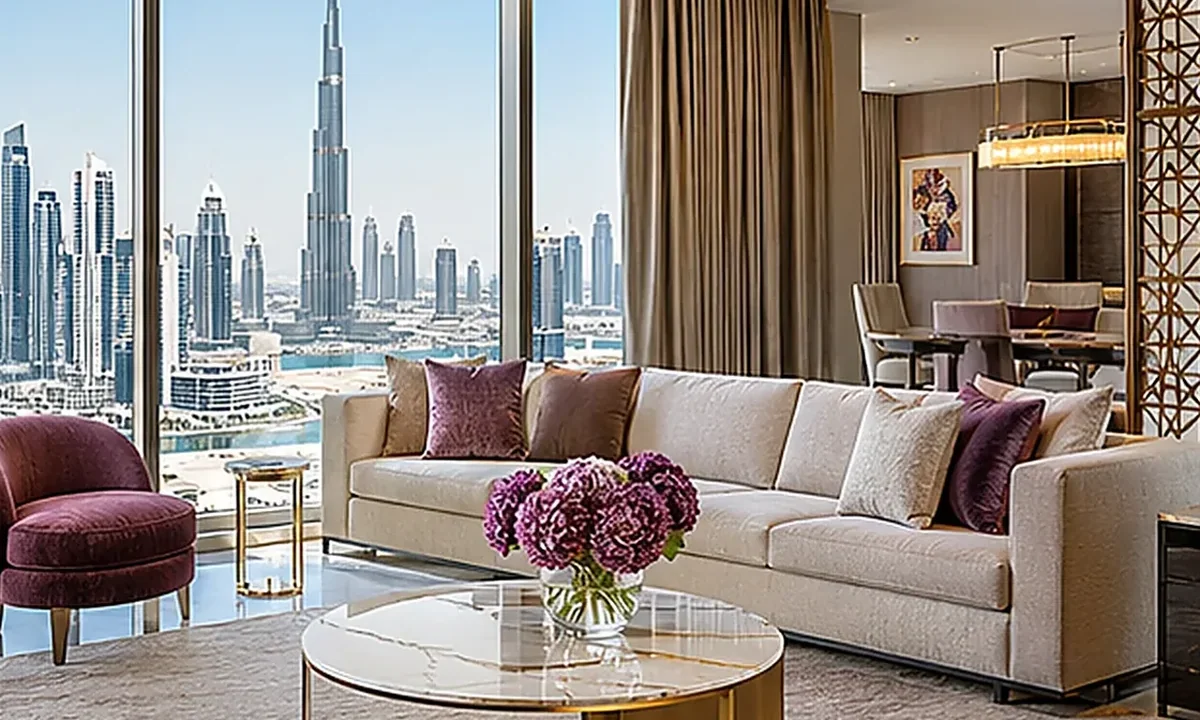
Editorial concept visual (AI-generated). Not a photograph of an actual completed project.
A hotel interior design company in Jakarta is asked to create memorable spaces, but the operating business also needs predictable maintenance. Public areas, guestrooms and dining spaces experience different levels of wear. Selecting every finish for its opening-day appearance can create avoidable replacement costs later. The better approach links design intent to material performance and service routines.
Define wear zones
Identify luggage impact areas, wet entry points, high-traffic corridors, frequently cleaned countertops and guest-facing upholstery. Specify each zone against its likely use. In Jakarta’s climate, check moisture exposure and cleaning products where relevant. Ask suppliers for maintenance information rather than assuming a material that performs well at home will withstand hotel usage.
Make replacement practical
Consider modular carpet sections, replaceable upholstery components, accessible lighting parts and consistent hardware selections where appropriate. A custom design can remain distinctive while allowing individual damaged components to be changed. Standardising hidden technical items may reduce stock complexity without making the guest experience generic.
Coordinate procurement with design intent
Define acceptable visual tolerances for stone, timber veneer, textiles and handcrafted products. Maintain approved samples and identify who can authorise a substitution. In multi-floor projects, production batches and installation dates can affect colour consistency. A controlled sample and purchasing register protects the design language through a long construction programme.
Assess total use, not only initial price
Compare maintenance labour, expected replacement frequency, local availability and downtime alongside upfront cost. Ask operators which materials have failed in earlier properties and why. Test the chosen finish against the actual cleaning method. Life-cycle thinking helps focus premium investment on elements the guest will appreciate and that the operator can maintain.
A maintenance comparison
Compare two lounge upholstery options against the actual cleaning programme. One looks exceptional but needs specialist treatment and long replacement lead times; another is more readily repaired and performs well under frequent use. Review both options against appearance, comfort, cleaning, expected life and replacement cost. A premium hotel may still choose the first, but the decision should be deliberate and documented rather than based on a sample’s first impression.
Planning checklist
- Map wear, moisture and cleaning by zone
- Choose repairable or replaceable details where possible
- Track approved samples, batches and substitutions
- Compare maintenance costs as well as initial expenditure
Practical conclusion. Evaluate public-area finishes, FF&E and replacement strategies by life-cycle performance. Before making a final appointment or material decision, test the preferred approach against the people who will use the space, the information available about the property, and the responsibilities stated in the project agreement. Design quality depends on clear decisions that can be implemented and maintained.
Frequently asked questions
Are natural materials unsuitable for hotels?
Not inherently. Their performance depends on the specific material, finish, exposure, construction detail and maintenance plan.
Does standardisation make a hotel look generic?
No. Selected components can be standardised behind the scenes while public-facing design remains unique.
Start with a better brief.
Explore the project requirements before committing to construction or procurement.
Discuss your project ↗Related design guides
 Restaurant Interior Design Company in Jakarta: Concept Meets Service Model
 Restaurant Interior Design Company in Jakarta: Durable Finishes and Brand Consistency
 What an Interior Design Company in Jakarta Should Verify Before Concept Design
Editorial information for general planning only. Technical, statutory, fire-safety and building-management requirements must be verified for the individual project by the responsible qualified parties. Concept images are not project portfolio photographs.