Jakarta Interior Hotel Design | The Essential Elements of Luxury Lobby Design
The hotel lobby is no longer simply a place to check in. Hotel Interior Design Jakarta
Today, it is the emotional center of the hospitality experience—a space where first impressions are formed, stories begin, and guests instinctively decide how they feel about a hotel within seconds of arrival. A well-designed lobby does more than welcome people. It creates atmosphere, shapes perception, encourages interaction, and quietly communicates the identity of the brand itself.
In a hospitality market as competitive and fast-evolving as Jakarta, lobby design has become a defining factor in how hotels position themselves. From luxury business hotels in Sudirman and Mega Kuningan to lifestyle-driven boutique properties in Kemang and SCBD, guests increasingly expect experiences that feel immersive, refined, and emotionally engaging. The modern traveler seeks more than functionality. They seek connection, comfort, and a sense of kesan pertama yang berkelas—a sophisticated first impression that feels memorable and effortless.
This is where Jakarta Interior Hotel Design becomes essential. At our firm, we believe exceptional hospitality interiors emerge from the balance of atmosphere, operational intelligence, emotional comfort, and timeless detailing. We approach hotel lobbies not as standalone spaces, but as carefully orchestrated hospitality experiences that shape how guests feel, move, and remember a property long after they leave.
What Makes a Great Hotel Lobby Experience?
A successful hotel lobby creates a seamless transition between arrival, relaxation, social interaction, and brand storytelling.
The best hospitality environments feel intuitive from the very first moment. Guests should never feel overwhelmed, confused, or emotionally disconnected. Instead, the lobby should gently guide them through the experience—welcoming them with warmth, clarity, and subtle sophistication.
Today’s luxury hospitality environments must achieve several goals simultaneously:
- create emotional comfort immediately upon arrival
- support smooth operational flow for guests and staff
- encourage social interaction and informal gathering
- communicate brand identity through atmosphere and detail
- remain flexible enough to accommodate changing guest behaviors
In Jakarta’s hospitality landscape—where business travel, international tourism, and lifestyle hospitality increasingly overlap—the lobby has evolved into a multifunctional environment. It becomes part lounge, part social hub, part co-working environment, and part luxury retreat.
The challenge is creating a space that feels both highly functional and emotionally calming at the same time.
The Top 5 Essential Elements of Hotel Lobby Design
1. Arrival Experience & First Impressions
Luxury hospitality begins before guests reach the reception desk.
The arrival sequence shapes the emotional tone of the entire stay. From drop-off experience and entry framing to visual sightlines and material transitions, every detail contributes to the guest’s first emotional response.
A successful arrival experience considers:
- visual openness and immediate orientation
- clear circulation without visual clutter
- focal points that establish atmosphere and identity
- layered transitions between exterior and interior environments
- emotional pacing through lighting, proportion, and materiality
In Jakarta, where many hotels sit within dense urban environments and active commercial districts like Thamrin or Gatot Subroto, the lobby often becomes a moment of escape from the city itself. The transition from traffic and movement into calm hospitality must feel intentional—tenang, hangat, dan elegan.
2. Spatial Flow & Zoning
Great hotel lobbies feel effortless because their planning is carefully resolved behind the scenes.
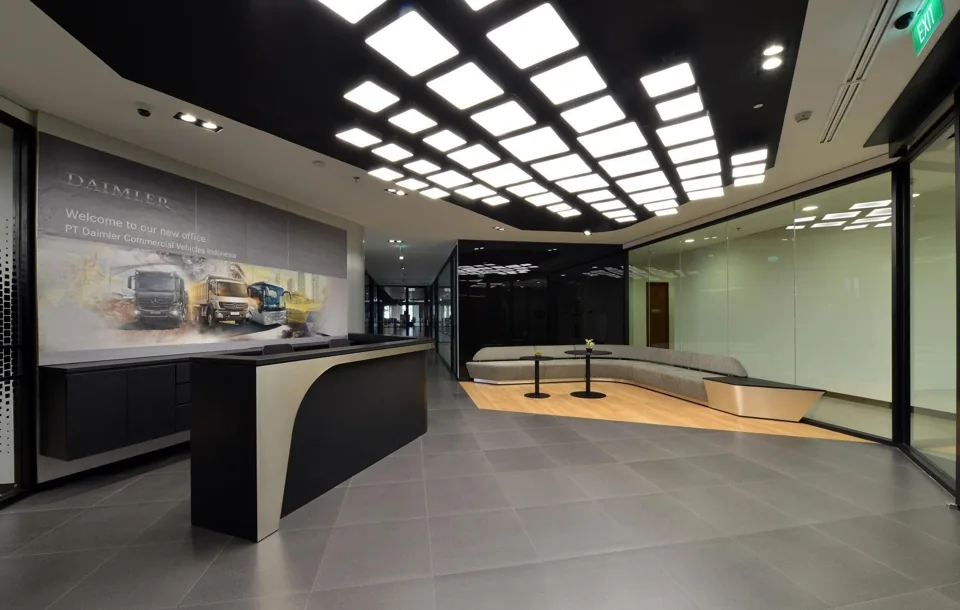
Spatial flow is one of the most critical aspects of hospitality design. Reception, lounge seating, waiting zones, concierge services, circulation pathways, and social areas must operate cohesively while still feeling relaxed and intuitive.
At our firm, we approach lobby planning through guest journey mapping—understanding how people naturally move, pause, gather, and interact throughout the space.
Effective zoning creates:
- intuitive circulation that reduces congestion
- comfortable transitions between public and semi-private zones
- flexible seating arrangements for different guest behaviors
- visual balance between openness and intimacy
- operational efficiency without disrupting atmosphere
In modern luxury hotels, guests increasingly use lobbies as informal meeting areas, remote work spaces, and social destinations. Designing for these evolving behaviors is now essential to hospitality success.
3. Lighting & Atmosphere
Lighting defines how hospitality feels.
A luxury hotel lobby should evolve naturally throughout the day, responding to changing moods, guest activity, and natural light conditions. Morning brightness, afternoon warmth, and evening intimacy should all feel intentional and cohesive.
Layered lighting strategies create depth and emotional comfort through:
- ambient lighting for warmth and spatial softness
- accent lighting to highlight textures and architectural features
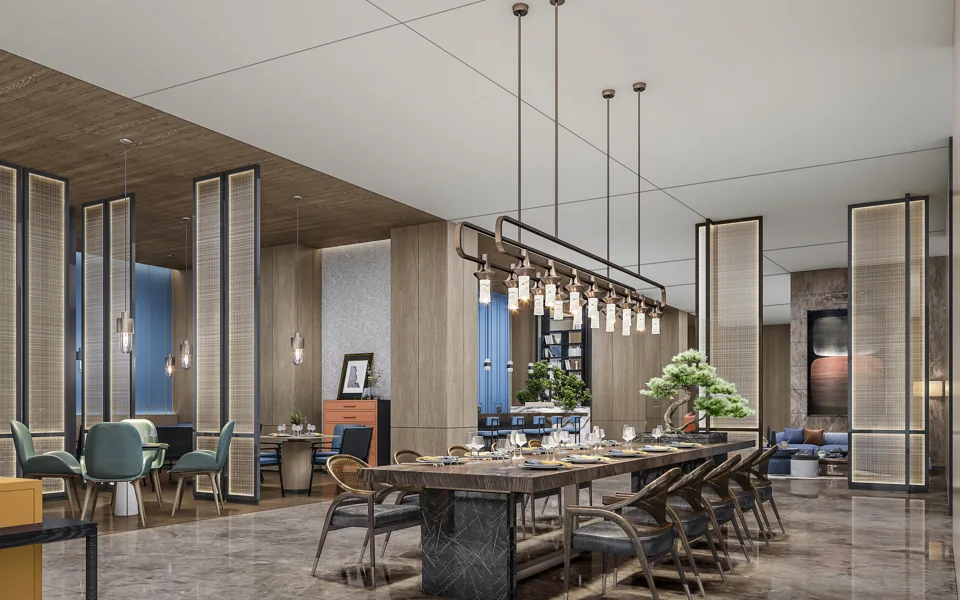
- decorative fixtures that reinforce identity and atmosphere
- natural daylight integration for openness and wellbeing
- feature illumination that creates visual drama without excess
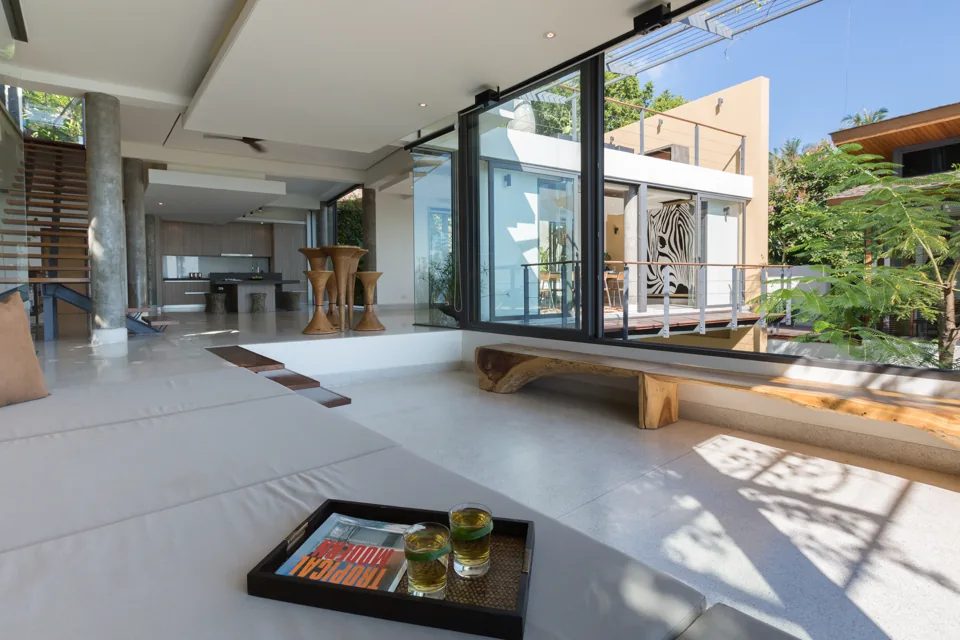
In Jakarta’s tropical climate, natural light must be carefully filtered and balanced to avoid harshness while maintaining brightness and connection to the outdoors. The goal is creating a lobby atmosphere that feels luxurious without feeling overstated.
4. Materiality & Interior Detailing
Luxury is often communicated through restraint and refinement rather than excess.
The materials guests touch, see, and move through every day shape their perception of hospitality quality. Thoughtful detailing creates emotional depth while reinforcing brand sophistication and timelessness.
Our material approach prioritizes:
- tactile surfaces that create warmth and sensory richness
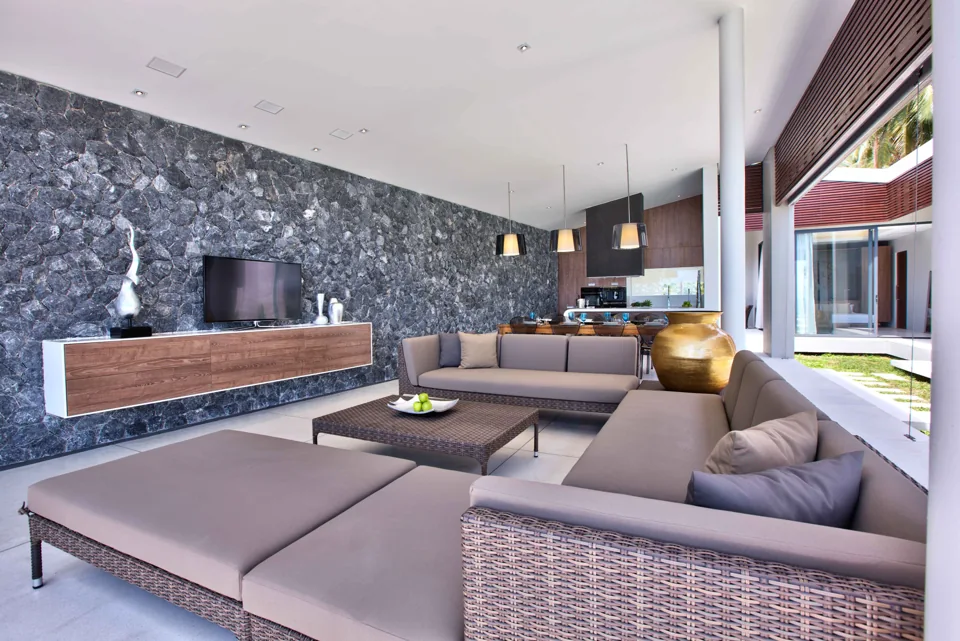
- natural stone, timber, and textured finishes for timeless appeal
- custom furniture that strengthens identity and exclusivity
- refined detailing that elevates craftsmanship
- balanced palettes that feel elegant and enduring
The most successful hotel lobbies avoid trend-driven excess in favor of lasting sophistication. In Jakarta Interior Hotel Design, timeless materiality becomes a strategic investment—supporting both aesthetic longevity and operational durability.
5. Sensory & Hospitality Experience
Guests remember how a hotel made them feel.
Beyond aesthetics, the most memorable lobbies engage multiple senses simultaneously. Sound, scent, comfort, greenery, and atmosphere all contribute to emotional connection and guest satisfaction.
A hospitality-focused sensory experience may include:
- acoustic treatments that soften noise levels
- signature scent integration for brand recognition
- carefully selected greenery that introduces calm and freshness
- art and cultural elements that strengthen identity
- seating comfort that encourages guests to linger naturally
These details often operate subconsciously, yet they are critical to creating a hospitality environment that feels welcoming, immersive, and emotionally memorable.
Luxury Hospitality Beyond Aesthetics
A beautiful lobby alone is not enough.
Successful hospitality environments must also support measurable business performance. Thoughtful lobby design contributes directly to:
- stronger guest satisfaction and reviews
- improved brand differentiation in competitive markets
- increased social interaction and dwell time
- enhanced luxury perception and premium positioning
- smoother operational efficiency and guest flow
As hospitality competition intensifies across Jakarta, hotels that invest in experience-driven interiors gain a meaningful advantage in attracting both business and leisure travelers.
Great hospitality design is strategic, not decorative.
Designing Hotel Lobbies in Jakarta
Designing hospitality interiors in Jakarta requires sensitivity to climate, culture, urban behavior, and lifestyle expectations.
The city’s hospitality market is shaped by a unique combination of international business travel, emerging luxury tourism, and increasingly design-aware local consumers. Guests expect spaces that feel globally sophisticated while still maintaining warmth and local relevance.
Our approach responds to Jakarta’s context through:
- indoor-outdoor transitions suited to tropical hospitality
- natural ventilation and openness where appropriate
- layered greenery that softens urban density
- humidity-responsive material selections
- elegant, contemporary interiors that balance luxury and comfort
In areas like SCBD and Kuningan, where hotels serve both international executives and lifestyle-focused travelers, lobby environments must feel efficient yet emotionally engaging. This balance defines the future of Jakarta Interior Hotel Design.
Our Hospitality Design Approach
At our firm, hospitality design begins with understanding experience before aesthetics.
Our process combines operational strategy with emotional storytelling to create hotel environments that feel seamless, luxurious, and enduring.
Concept Development
We define the emotional identity, brand positioning, and guest experience narrative of the hotel.
Guest Journey Mapping
We analyze how guests arrive, move, interact, wait, gather, and transition throughout the lobby environment.
Spatial Planning
We create intuitive circulation and layered zoning that supports both comfort and operational performance.
Material & Lighting Strategy
We curate tactile materials and atmospheric lighting systems that reinforce timeless luxury.
Technical Coordination & Execution
We ensure every design detail performs functionally while maintaining aesthetic clarity and hospitality standards.
Final Styling & Atmosphere
From art placement to furniture styling, every detail is refined to create emotional coherence and memorable experience.
Our Perspective
We believe the best hotel lobbies are not simply designed to impress. They are designed to make people feel something.
At our firm, hospitality interiors are shaped through a balance of atmosphere, operational intelligence, emotional comfort, and timeless detailing. We create hotel environments that are immersive rather than performative—spaces where guests feel welcomed, calm, and connected from the moment they arrive.
This is our perspective on Jakarta Interior Hotel Design: hospitality spaces that combine strategy, emotion, and refined luxury to create experiences guests genuinely remember.
Create a Lobby Experience Guests Will Remember
The future of hospitality design is no longer about decoration alone. It is about creating meaningful experiences that strengthen brand identity, support operational success, and build emotional connection.
If you are developing a luxury hotel, lifestyle property, or hospitality destination in Jakarta, now is the time to rethink the role of the lobby—not as a reception area, but as the heart of the guest experience.
Our firm designs timeless, guest-centered hotel interiors tailored to the unique opportunities and expectations of Jakarta’s evolving hospitality landscape.
Connect with us in