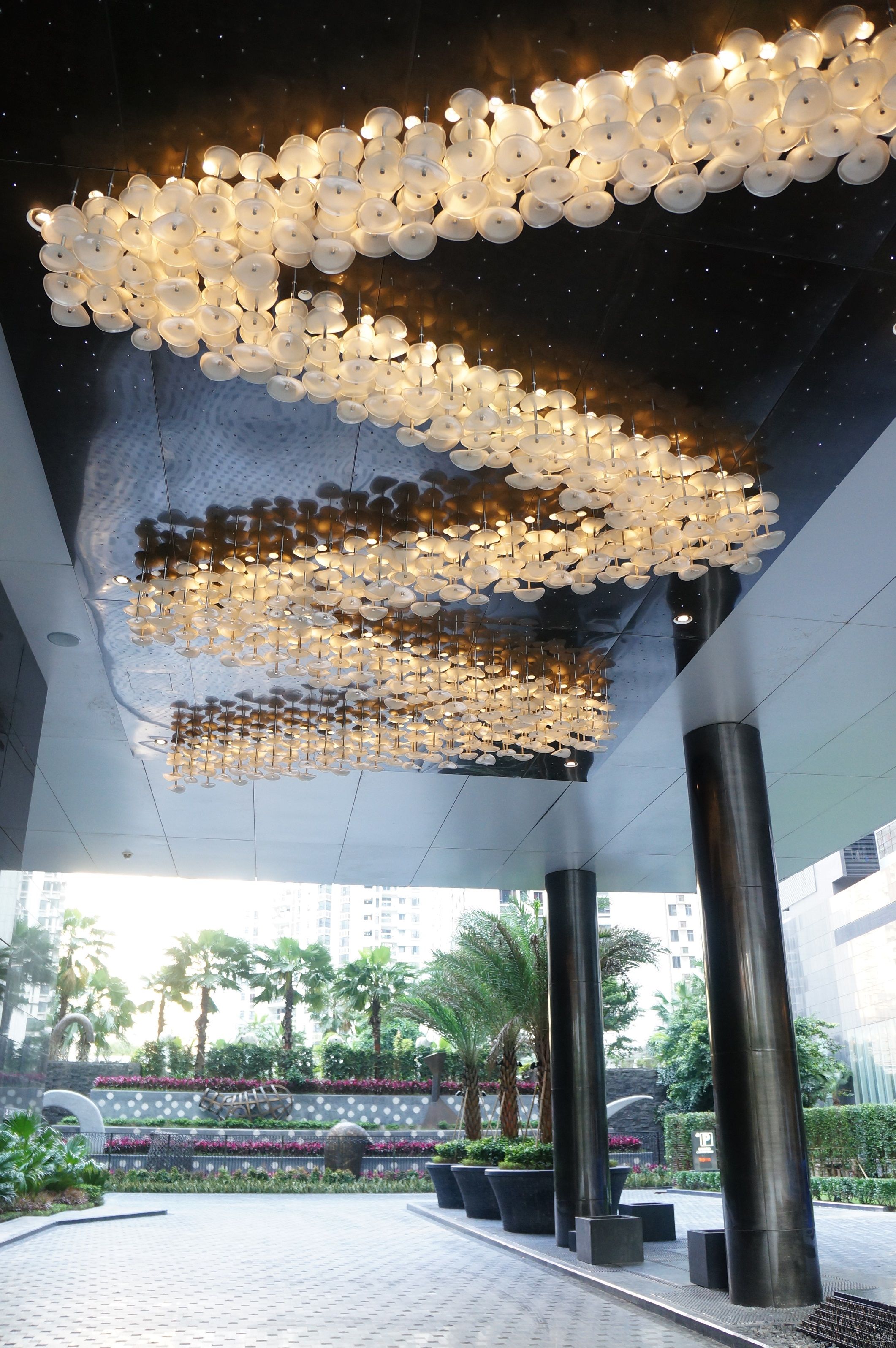
Jakarta Office Interior Design — From Ordinary to Exceptional Workspaces
Jakarta is a city that works hard. From the financial towers of Sudirman and SCBD to the fast-growing tech clusters around Kuningan and TB Simatupang, Jakarta’s business ecosystem is dynamic, competitive, and increasingly talent-driven.Office Interior Design Jakarta
The workplace here is no longer just a headquarters — it is a strategic asset.
Hybrid work has matured. Talent mobility is high. Gen Z professionals are entering the workforce with new expectations around flexibility, authenticity, and wellbeing. At the same time, rising rental costs in Grade A CBD towers demand smarter spatial efficiency.
In this context, Jakarta Office Interior Design must evolve beyond traditional desk layouts. It must translate business strategy into physical experience — from ordinary offices into exceptional, performance-driven workspaces.
Sebagai desainer ruang kerja, our firm believes the future of the Jakarta office lies in adaptability, emotional intelligence, and measurable efficiency.
How Work Is Evolving in Jakarta
Jakarta’s economy is powered by finance, consulting, technology startups, state-owned enterprises, and regional headquarters for multinational firms. These sectors are facing three converging pressures:
-
Hybrid Work Adoption
Many firms operate 3–4 day in-office schedules. Offices are no longer 100% occupied daily. -
Rising Real Estate Costs
Premium office rents in CBD districts push companies to optimise every square meter. -
Gen Z Workforce Growth
Young professionals expect collaboration, purpose, and flexibility — not rigid cubicles.
Traditional office layouts — rows of assigned desks and enclosed manager rooms — underperform in this environment. They waste space and fail to inspire.
Kantor bukan lagi tempat absen — it is no longer just a place to clock in. It is a platform for culture, innovation, and identity.
Designing for Activity-Based Working (ABW)
Activity-Based Working (ABW) aligns physical space with the variety of tasks employees perform throughout the day.
In Jakarta’s hybrid offices, this model significantly improves utilisation rates.
Key ABW Components in Practice
1. Focus Zones
Acoustically controlled pods and quiet rooms for deep work — essential in high-density office floors.
2. Collaboration Hubs
Open team tables and informal meeting areas encouraging spontaneous exchange.
3. Touchdown Desks
Flexible hot desks for hybrid staff who do not require permanent stations.
4. Social Lounges
Pantry cafés and breakout areas that foster informal interaction — particularly important in relationship-oriented Indonesian work culture.
5. Private Call Rooms
Critical in a city where digital meetings with regional teams are constant.
Through Jakarta Office Interior Design rooted in ABW principles, companies can:
-
Reduce underutilised space
-
Improve cross-team collaboration
-
Support hybrid scheduling
-
Increase overall employee satisfaction
Space becomes agile — not static.
Designing Workspaces That Attract and Retain Gen Z Talent
Gen Z professionals in Jakarta are digitally fluent, socially aware, and highly mobile. They choose employers not only for salary but for purpose and environment.
Workplace design influences employer branding more than many realise.
What Gen Z Values in the Workplace:
Transparency & Authenticity
Glass partitions, visible collaboration, and open leadership spaces signal approachability.
Wellness & Biophilic Design
Indoor greenery, natural textures, daylight access, and ergonomic furniture reduce burnout in a traffic-heavy city.
Technology Integration
Seamless Wi-Fi, wireless presentation systems, digital booking platforms, and charging infrastructure are baseline expectations.
Community Spaces
Pantry zones that feel like cafés — reminiscent of Jakarta’s thriving coffee culture in Senopati and Kemang — create emotional connection.
Ruang kerja yang nyaman bikin betah — a comfortable workspace encourages loyalty.
When Jakarta Office Interior Design aligns with these expectations, companies strengthen recruitment competitiveness in a tight talent market.
The Rise of Co-Working & Flexible Office Ecosystems
Jakarta’s co-working scene has matured significantly over the past decade. Flexible operators cluster in Sudirman, SCBD, and emerging corridors like Mega Kuningan and TB Simatupang, offering plug-and-play solutions for startups and multinational project teams.
Corporations are increasingly adopting hybrid real estate strategies:
-
Core headquarters in CBD
-
Satellite offices in South Jakarta
-
Co-working memberships for flexible teams
This shift requires adaptable interior planning.
Design Implications:
-
Modular partitions
-
Movable furniture systems
-
Scalable meeting room configurations
-
Infrastructure that supports phased expansion
Co-working aesthetics — warm lighting, hospitality-inspired lounges, curated materials — now influence corporate offices.
Jakarta’s workforce expects offices to feel less institutional and more experiential.
Smart, Data-Driven Workplace Design
Exceptional workspaces are not built on assumptions — they are informed by data.
Modern workplace design integrates:
-
Occupancy Sensors to track utilisation patterns
-
Digital Room Booking Systems for efficiency
-
Acoustic Engineering to manage noise in open plans
-
Lighting Ergonomics to reduce eye strain
-
HVAC Zoning for energy optimisation in tropical climate
Jakarta’s humidity and heat demand robust air-conditioning strategies, while ESG expectations from multinational tenants push for energy-efficient lighting and sustainable materials.
Sustainability in Jakarta offices is no longer optional — it is increasingly linked to brand credibility and operational cost control.
Delivering Office Interior Design in Jakarta the Right Way
Execution determines whether strategy translates into reality.
Jakarta projects require coordination with:
-
Building management fit-out regulations
-
Fire safety compliance and evacuation planning
-
Mechanical, electrical, and plumbing (MEP) integration
-
Lift access scheduling in high-rise towers
-
Strict construction timelines to avoid rental penalties
Our firm approaches Jakarta Office Interior Design with full awareness of local contractor ecosystems and procurement lead times.
Phased renovations are often necessary to allow business continuity. Detailed documentation prevents costly on-site revisions.
Good design thinking must be matched with disciplined implementation.
A Future-Ready Workplace Design Partner in Jakarta
Companies in Jakarta increasingly seek partners who understand both global workplace evolution and local realities.
They need:
-
Alignment between design and business strategy
-
Transparent budgeting and cost control
-
Measurable workplace outcomes
-
Structured governance from concept to handover
Our firm combines workplace strategy with execution literacy — shaping environments that perform emotionally and operationally.
Exceptional offices are not louder. They are smarter.
From Workplace Strategy to Completion
Our structured process includes:
-
Workplace consultation and workforce behaviour analysis
-
Spatial programming aligned with ABW principles
-
Concept development and 3D visualisation
-
Budget planning and value engineering
-
Authority and building management submissions
-
Site supervision and quality inspections
-
Installation, commissioning, and operational readiness support
Each step ensures clarity, accountability, and performance.
Redesign Your Workplace for the Future in Jakarta
Jakarta’s business landscape is evolving quickly. Offices that remain static risk becoming irrelevant.
Through thoughtful Jakarta Office Interior Design, organisations can transform underperforming workplaces into environments that attract talent, optimise cost, and strengthen culture.
Mari kita ciptakan ruang kerja yang lebih hidup — let’s create a workplace that feels alive, purposeful, and future-ready.
If you are considering a workplace transformation in Jakarta, our firm welcomes a strategic conversation about how your space can move from ordinary to exceptional.
Connect with us in