Interior Design in Jakarta: Commercial & Residential Innovation
Interior design in Jakarta is no longer about surface aesthetics. It has become a strategic discipline—shaping how businesses perform, how people live, and how the city evolves from the inside out. As Southeast Asia’s economic powerhouse, Jakarta presents one of the most complex design environments in the region: high-density urban development, extreme climate conditions, layered cultural behaviours, and rapid commercial growth.
From luxury hotels in Sudirman and SCBD to compact apartments in Central Jakarta and sprawling villas in the city’s outskirts, interior spaces must respond intelligently to how Jakarta works, lives, and socialises. As a Jakarta interior design company operating at the intersection of strategy, emotion, and performance, our firm approaches design as a system—one that integrates spatial logic, cultural nuance, and future readiness.
Understanding How Jakarta Lives, Works, and Experiences Space
Jakarta is a hyper-dense megacity shaped by vertical growth, mixed-use developments, and intense mobility patterns. Long commuting hours, hybrid work models, and a strong mall-centric lifestyle influence how interiors are used throughout the day.
Economically, Jakarta is driven by:
-
Finance, banking, and corporate headquarters
-
Technology and digital startups
-
Hospitality, lifestyle, and F&B ecosystems
-
Retail anchored in super-malls and high streets
-
A growing affluent residential market alongside mass urban housing
Residentially, the city is divided between high-rise apartments, landed houses, and gated villas in satellite areas such as Pondok Indah and BSD. Commercial interiors must compete for attention, while residential interiors must offer calm, efficiency, and climate comfort within a demanding urban environment.
Design in Jakarta cannot be generic. It must be climate-aware, culturally fluent, operationally efficient, and emotionally grounding—nyaman, rapi, dan berjiwa.
Designing Hotels that Reflect the Identity of Jakarta
Jakarta’s hospitality market is highly competitive, serving business travellers, regional tourists, and lifestyle-driven local guests. Hotels must differentiate through experience, narrative, and operational intelligence, not just luxury finishes.
Key hospitality design strategies include:
Guest Journey Mapping
Hotels must orchestrate experiences from arrival to departure—lobby acoustics, intuitive circulation, lighting transitions, and spatial rhythm all influence perceived comfort and brand memory.
Climate-Responsive Hospitality
Humidity, heavy rainfall, and heat require breathable materials, shaded spatial sequences, and durable finishes. Indoor-outdoor relationships must be carefully controlled, not simply opened.
Cultural Storytelling Through Space
Rather than literal motifs, successful hotel interiors abstract Indonesian craftsmanship—woven textures, layered timber, volcanic stone—into contemporary expressions that feel refined, not folkloric.
Operational Efficiency
Back-of-house circulation, housekeeping logistics, and maintenance durability directly affect profitability. Design must support staff performance as much as guest delight.
Hotel interior design in Jakarta succeeds when experience, efficiency, and identity converge into a coherent ecosystem.
High-Performance Workplace Design in Jakarta
Jakarta’s office culture has transformed rapidly. Hybrid work, younger talent demographics, and ESG expectations are reshaping how workplaces function and feel.
Flexible Spatial Planning
Offices must support focus work, collaboration, social interaction, and virtual connectivity. Fixed layouts are giving way to modular zoning and adaptive planning.
Employee Wellbeing
Given long commuting times, the office must become a place people want to be. Natural light optimisation, ergonomic planning, acoustic comfort, and restorative spaces are essential.
Technology Integration
Smart meeting rooms, digital booking systems, and data-enabled space utilisation improve efficiency and reduce wasted real estate.
Brand-Aligned Environments
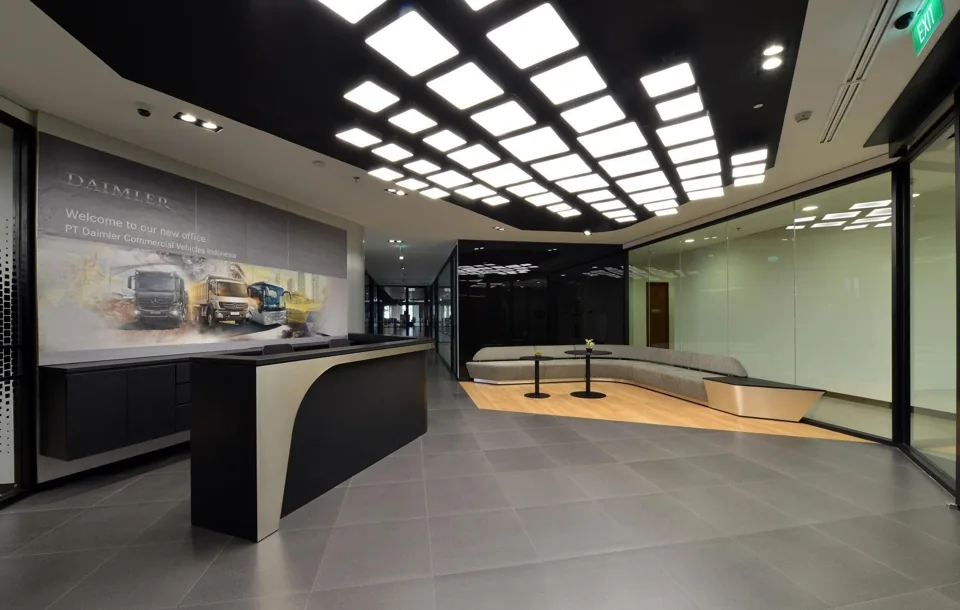
Workplace interiors are now physical expressions of company culture—open, transparent, disciplined, or innovative—communicated through spatial language.
A Jakarta interior design company designing offices must understand local workforce behaviour, corporate hierarchy, and cultural communication styles to create workplaces that truly perform.
Creating Social Destinations Through Restaurant & Club House Design
Jakarta’s dining and nightlife scene is vibrant, fast-moving, and image-driven. Restaurants and club houses are not just venues—they are social stages.
Experiential Zoning
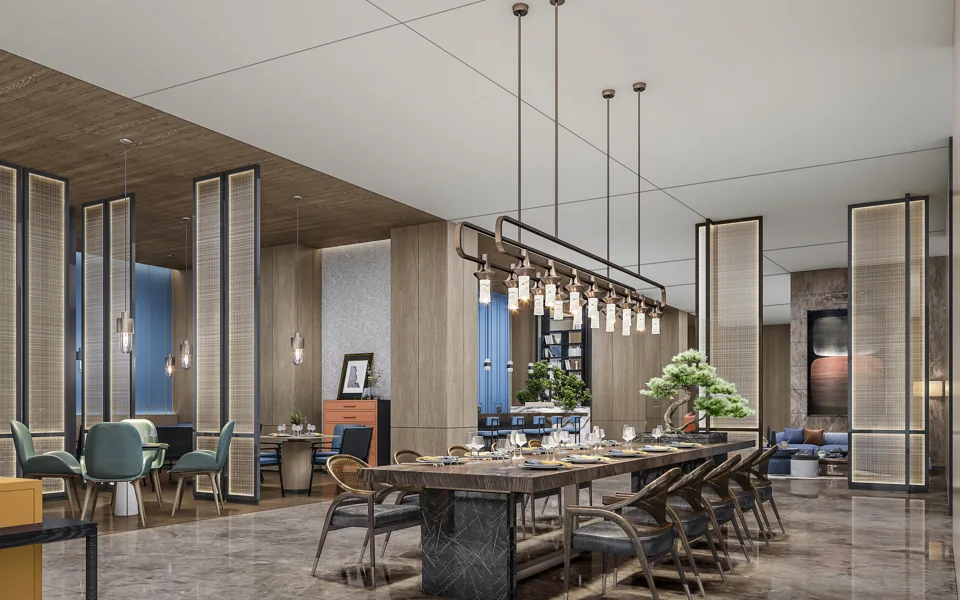
Successful venues layer public, semi-private, and intimate zones to accommodate different social behaviours—business lunches, family dinners, late-night gatherings.
Acoustic and Lighting Strategy
Noise control is critical in Jakarta’s energetic F&B culture. Layered lighting—ambient, task, and accent—creates mood without sacrificing comfort.
Brand Storytelling
Design must translate a brand’s personality into spatial cues—materials, colour temperature, ceiling height, and circulation rhythm.
Social Media Visibility
Instagrammable moments are now a strategic requirement. However, they must be integrated intelligently, not disrupt operational flow.
Design drives dwell time, repeat visits, and brand loyalty—making restaurant interior design a business tool, not decoration.
Designing Homes that Respond to the Way Jakarta Lives
Residential interior design in Jakarta varies dramatically by typology.
Apartments
Compact footprints require space optimisation, multifunctional furniture, and efficient storage. Visual openness must be balanced with privacy and acoustic control.
Landed Houses & Villas
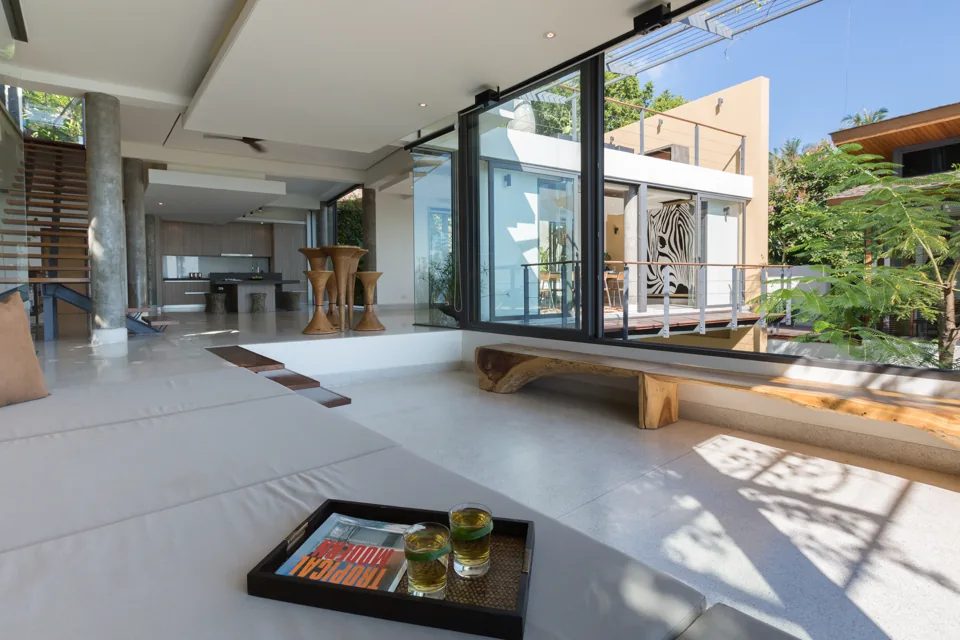
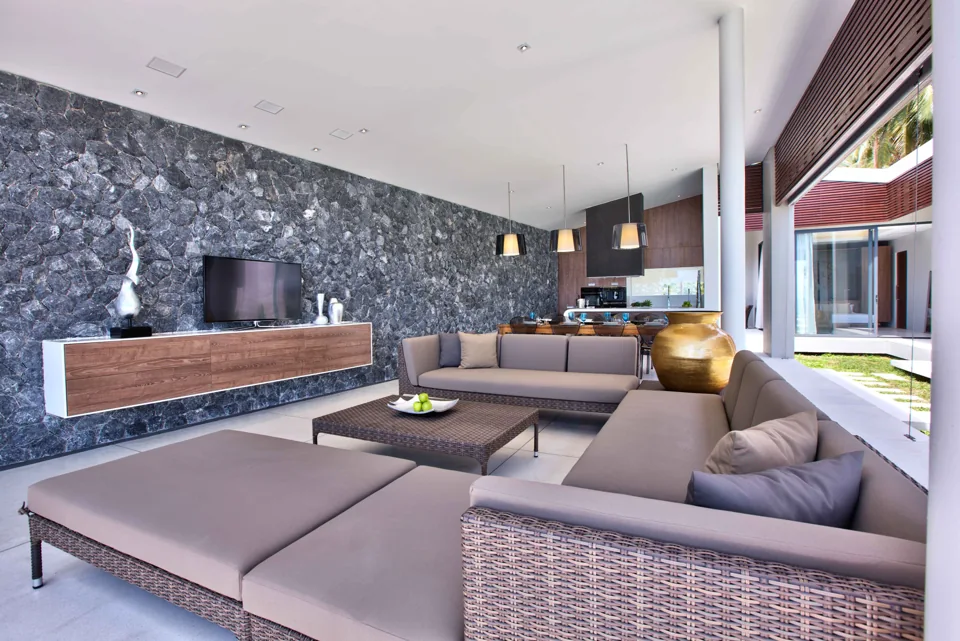
These homes prioritise family interaction, indoor-outdoor living, and layered privacy. Courtyards, terraces, and transitional spaces play a key role.
Multi-Generational Living
Many Jakarta homes house multiple generations. Zoning must accommodate differing routines, privacy needs, and cultural hierarchies.
Climate Responsiveness
Natural ventilation, shading strategies, moisture-resistant materials, and smart cooling integration are fundamental.
A Jakarta interior design company working in residential spaces must design for real daily life, not showroom imagery.
Unique Interior Design Ideas We Implement
Design innovation must be grounded in context. In Jakarta, unique ideas include:
Biophilic Integration
Green walls, internal courtyards, and natural textures mitigate urban stress and improve indoor air quality.
Adaptive Layouts
Spaces that transform throughout the day—work to dining, social to private—reflect Jakarta’s fluid lifestyles.
Layered Lighting Systems
Dynamic lighting responds to time of day, activity, and mood while reducing energy consumption.
Material Contrast Strategy
Combining refined modern finishes with tactile local materials creates depth and authenticity.
Cultural-Modern Fusion
Contemporary spatial logic infused with subtle Indonesian craftsmanship creates timeless relevance.
Each idea is applied strategically, not stylistically.
Why Interior Design in Jakarta Requires Local Intelligence
Designing in Jakarta demands more than creativity. It requires:
-
Knowledge of building regulations and strata rules
-
Understanding of supply chains and material durability
-
Familiarity with contractor coordination realities
-
Sensitivity to cultural norms and client decision-making processes
Without local intelligence, even beautiful designs fail in execution. Our firm approaches every project with context-first thinking, ensuring concepts translate into successful built environments.
Our Design Approach
-
Research & Site Analysis – understanding context, constraints, and user behaviour
-
Concept & Spatial Strategy – defining function, narrative, and performance goals
-
Visualisation & Detailing – testing decisions before construction
-
Technical Coordination – integrating MEP, structure, and compliance
-
Execution & Project Control – managing quality, timeline, and cost
-
Final Styling & Handover – completing the emotional experience
Design decisions are always justified by use, performance, and longevity.
Transform Your Commercial or Residential Space in Jakarta
Whether shaping a hotel experience, redefining a workplace, activating a social venue, or creating a home that truly supports life, interior design in Jakarta must be strategic, contextual, and human-centric.
As a Jakarta interior design company operating across commercial and residential sectors, our firm partners with clients who see design as a long-term investment in performance, identity, and wellbeing.
Mari kita rancang ruang yang benar-benar hidup.
Let’s design spaces that work—beautifully and intelligently—for Jakarta.
Connect with us in