Designing for Connection: The Role of Interior Design in Combating Workplace Loneliness
In the age of hyperconnectivity and remote everything, the workplace has taken on a powerful new purpose—connection. As an interior designer specializing in people-first environments, I’ve seen firsthand how thoughtful Interior Design Jakarta can bring warmth, collaboration, and purpose back into the office, especially in a city that blends intense professional energy with a deeply communal culture.
At our firm, we believe office design is no longer just about desks and meeting rooms. It’s about creating emotionally intelligent spaces that foster real human interaction. And in Jakarta—a bustling, ever-expanding capital where kerja keras (hard work) is deeply valued—we’re redefining what a modern office should feel like.
A Silent Epidemic: Loneliness at Work
Even in packed buildings around Sudirman, Thamrin, or Kuningan, employees report feeling isolated. With the rise of hybrid work and digital communication, many professionals crave a sense of kebersamaan (togetherness) more than ever.
Design can be a powerful antidote to this. By crafting offices that encourage spontaneous interaction, collaboration, and even rest, we help bring people closer—in physical and emotional ways.
Key Interior Strategies to Build Connection
1. Flexible Collaboration Zones
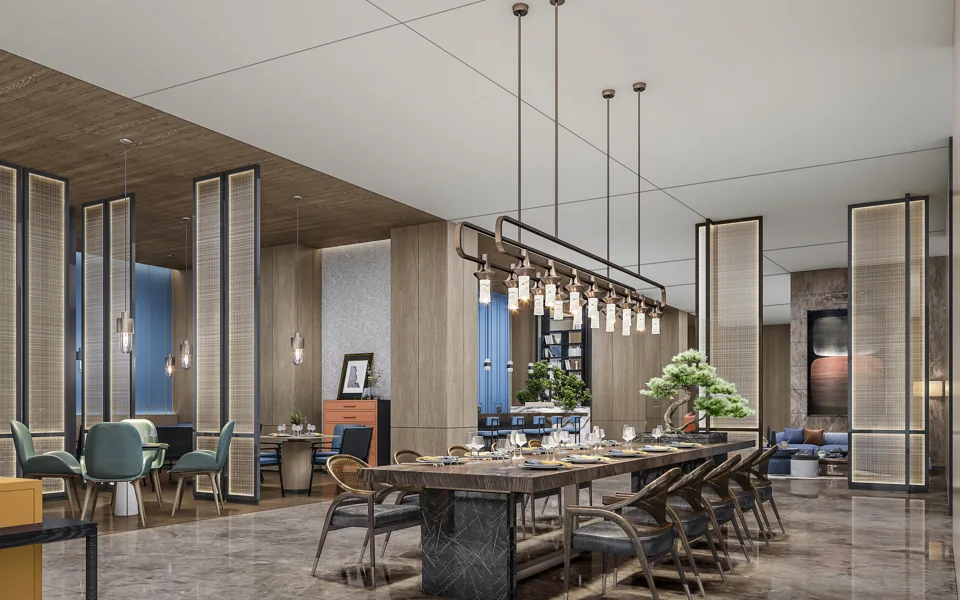
Forget rigid desk layouts. In Jakarta, where teamwork is central to many industries—tech, finance, creative—the modern office should support fluidity. Lounge areas, breakout corners, and communal café-style zones can organically prompt both casual chats and big brainstorming moments.
2. Warm, Natural Materials
Incorporating locally sourced woods, batik patterns, or calming greens from native plants creates a sense of belonging. It’s more than aesthetic—it’s about grounding people in a shared environment that reflects the rasa lokal (local flavor).
3. Tech-Integrated but Human-Focused
Yes, Jakarta’s office workers are digitally driven—but design should guide technology, not be dominated by it. Meeting pods with sound insulation, well-placed screens for virtual collaboration, and areas where phones are set aside all help balance connectivity with mindfulness.
Jakarta-Specific Office Culture: Blending Local Values with Global Trends
Indonesian work culture emphasizes respect, harmony, and social interaction. When designing offices in Jakarta, we don’t just replicate Silicon Valley trends. Instead, we create layouts that feel natural in a society where lunch together, prayer breaks, and face-to-face check-ins are vital.
Whether designing for a multinational HQ in SCBD or a boutique creative firm in Kemang, we infuse each project with sensitivity to how people in Jakarta work, relate, and unwind.
From Isolation to Community: Small Details, Big Impact
-
Biophilic design, with elements like vertical gardens and indoor bamboo features, can lower stress and elevate mood.
-
Activity-based zones allow employees to choose where they feel most comfortable—quiet corners for deep focus or vibrant lounges for energetic dialogue.
-
Inclusive design matters. From prayer rooms (mushola) to accessible layouts, the goal is always the same: help everyone feel seen and supported.
These aren’t just design choices. They’re investments in emotional wellbeing.
Final Thought: Design that Cares
Interior Design Jakarta is evolving. It’s not just about making offices look good—it’s about making people feel good. In a post-pandemic, screen-saturated world, our job as designers is to bring back human connection, one thoughtful space at a time.
In Jakarta, where tradition meets modern ambition, the office can be more than just a place to work—it can be a home for collaboration, creativity, and community.
Let’s build offices that care. Let’s design for connection.
Designing of the office in countering an era of loneliness
Follow us on social media, we post good stuff