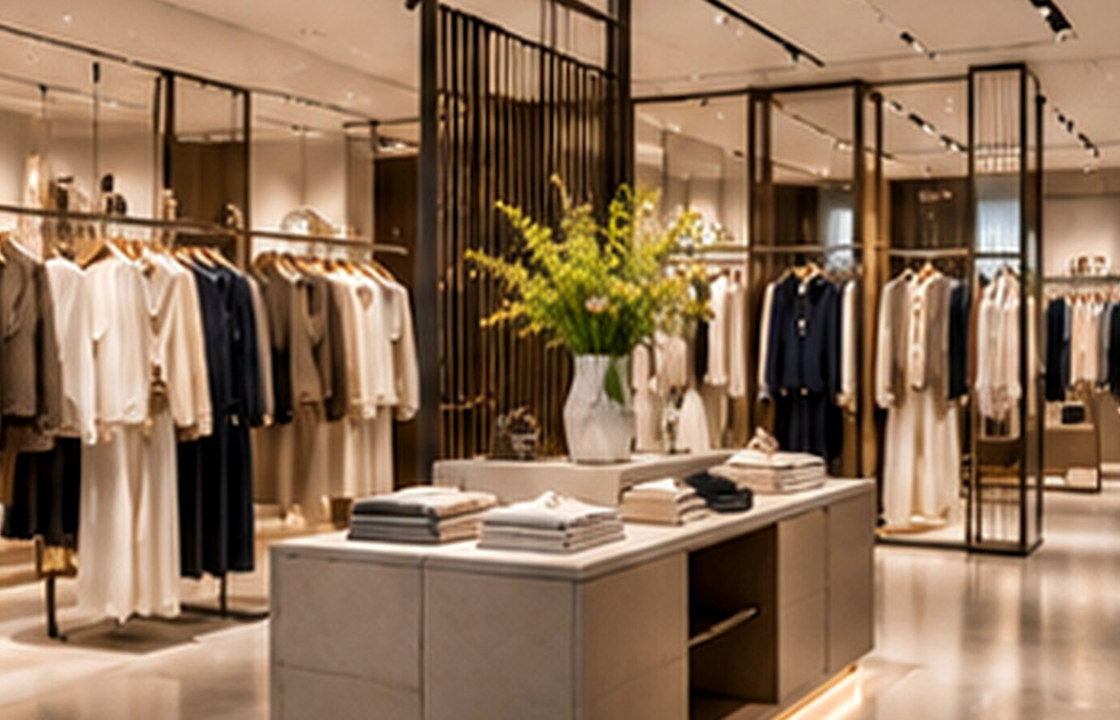
An effective showroom makes it easy to understand, compare and test the product. Whether displaying furniture, vehicles or technical equipment in Jakarta, design the customer journey around demonstrations, staff knowledge and the practical needs of installation and maintenance.
List customer questions and demonstrations; Provide clear comparison and consultation areas; Coordinate product power and services.
Clarify what customers must learn
Write the main questions visitors ask before buying. Which features require hands-on demonstration? Which products need side-by-side comparison or technical explanation? This determines display height, power needs, seating and the amount of space around each product. The showroom should help visitors make decisions rather than simply create attractive backdrops for photography.
Structure the experience in chapters
Consider a welcome zone, discovery area, main demonstration, consultation tables and a clear route to the next step. Visitors should understand how to move between these without being over-directed. In high-value showrooms, allow space for private discussion away from a busy entrance. Keep sightlines open enough for staff to recognise when assistance is needed.
Plan power and service access early
Demonstration products can require data, drainage, power, ventilation or structural support. Coordinate these requirements with manufacturers and qualified consultants before flooring and partitions are fixed. Build safe access for product replacement and future model changes. A beautifully integrated exhibit that must be dismantled for routine servicing becomes expensive very quickly.
Use lighting to reveal product quality
Show surfaces and colours accurately, without strong reflections or inconsistent colour appearance. Different demonstration zones may need distinct lighting conditions. Test the actual product in its intended position, especially large glossy surfaces or illuminated screens. Staff should be able to operate demonstrations intuitively and reset the space quickly between visitors.
Demonstrate the product, not just the room
Invite the sales team to run its most important customer demonstration using a preliminary layout. Follow the visitor from product discovery to testing, comparison and private consultation. Confirm power, data and equipment access with the relevant suppliers before cabinet drawings are released. Make a list of the products likely to change during the next model cycle and decide which fixtures can be adapted instead of replaced. This approach protects the investment in exhibition furniture and keeps the showroom useful as the product range develops.
A Jakarta design scenario
A furniture showroom in South Jakarta can help clients compare finishes by pairing a simple materials library with full-scale room settings. Clear labels and comfortable consultation tables may do more for customer confidence than additional ornament.
Balance the design priorities
The balance is between brand theatre and useful product evidence. Reserve visual drama for the moments that introduce the product, then make comparison and demonstration effortless.
Common pitfalls to avoid: Installing fixed displays before model dimensions are known; Creating glare that hides product qualities; Forgetting service access behind demonstration units.
Practical review checklist
- List customer questions and demonstrations
- Provide clear comparison and consultation areas
- Coordinate product power and services
- Test lighting on real merchandise
- Document product replacement procedures
Turn this checklist into a coordinated review with the owner, operator, designers and relevant technical specialists. Confirm which items belong to the appointed scope before drawings, procurement or construction are authorised.
Frequently asked questions
What makes a showroom different from a retail store?
A showroom often prioritises explanation, comparison and consultation, so demonstrations and staff interaction shape its layout more directly.
Should a showroom use theatrical lighting?
It can establish mood, but the product still needs accurate, comfortable illumination so customers can judge details and finishes.
How do I future-proof a showroom?
Plan modular displays, accessible services and documentation that allows products to be changed without major rebuilding.
Moving from idea to a clear brief
A useful next step is to collect photographs of the existing site, a measured plan where available, an outline of users and operations, target timing and the decisions that remain open. A design consultation can then focus on scope, priorities and technical interfaces before materials and furniture are ordered. Local permissions and specialist requirements should be checked with appropriately qualified advisers.
Explore SATU.JAKARTA’s expertise, browse the portfolio records, or begin a project conversation.