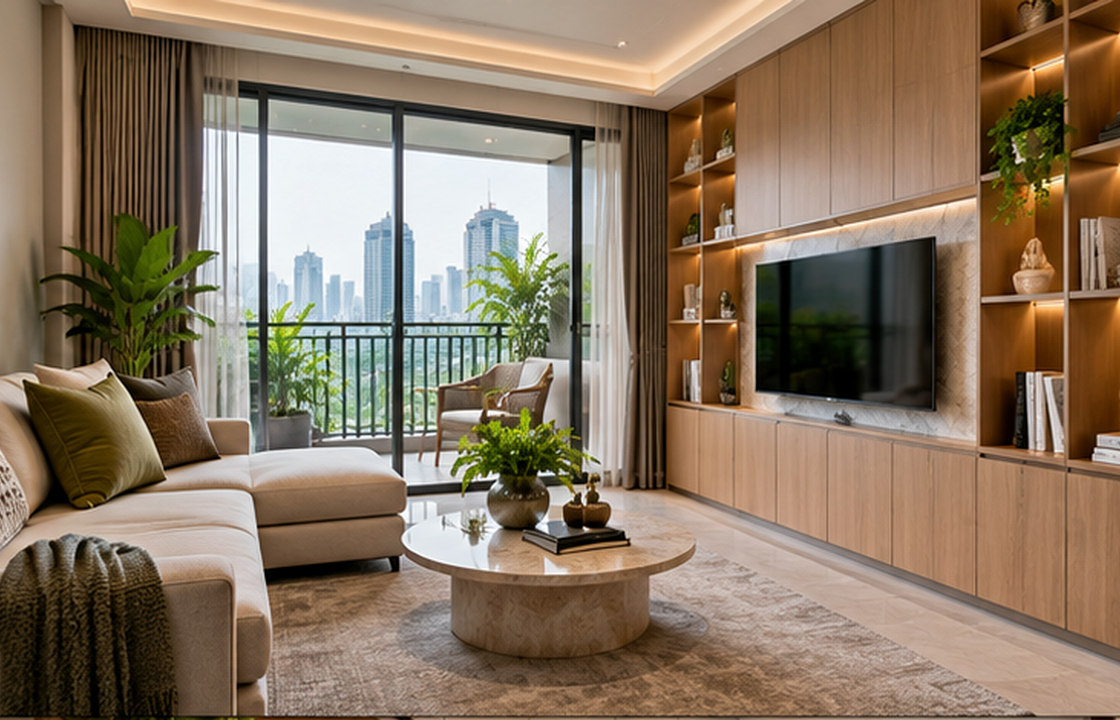
Interior materials should be approved through documented physical samples, technical requirements and a clear procurement process. In Jakarta fit-out projects, a good sample register reduces substitutions, mismatched finishes and delays between design intent and what actually arrives on site.
Define performance criteria by location; Create sample and approval registers; Check colour under intended lighting.
Set performance before appearance
Define where a material will be installed and how it will be cleaned, touched and maintained. A polished stone for a reception counter has different demands from a wet floor or a family kitchen. Consider durability, replacement availability, repair and the operating budget. Compare options against the stated requirements before choosing the most attractive showroom sample.
Build a controlled sample library
Record the supplier, product code, batch or range, finish, edge treatment and approved application. Photograph samples but keep a physical reference when colour and texture matter. Lighting can change their appearance; inspect them under the intended room conditions. Establish who has authority to approve a substitution and make sure the decision reaches every relevant contractor.
Coordinate lead times with the programme
Long-lead imported finishes, special hardware or custom furniture may affect fit-out sequencing. Ask suppliers for realistic availability and replacement routes, not just an indicative delivery date. Agree what can be ordered early and what needs final site dimensions. Delayed sample decisions can create rushed substitutions that weaken the design and increase waste.
Inspect what is delivered
Approved samples matter only if delivered material matches them. Define a receiving inspection, quantity check and process for documenting defects before installation. Keep the right records for future maintenance and replacements. At handover, give the owner a concise schedule of finishes and care instructions rather than a disconnected folder of supplier brochures.
Track each sample from approval to installation
Create a register that follows the item through specification, physical sample, client approval, order, delivery and installation check. Use exact product codes, locations and approved alternatives. Photograph labels beside the actual sample, not only the finish appearance. The procurement lead should flag long lead times before the schedule depends on an unconfirmed shipment. If an alternative is proposed, review its technical performance and visual compatibility rather than treating a similar colour as equivalent. Archive the decisions for maintenance after handover.
A Jakarta design scenario
For a multi-floor office in Jakarta, approving a complete meeting-room mock-up—wall finish, table surface, upholstery and lighting—can reveal clashes that individual sample boards do not show.
Balance the design priorities
Choosing a lower-priced substitute late in construction may cost more through rework and uneven quality. Make specification and substitution rules explicit before procurement begins.
Common pitfalls to avoid: Ordering without a signed reference sample; Approving substitutes from photographs alone; Discarding supplier data after installation.
Practical review checklist
- Define performance criteria by location
- Create sample and approval registers
- Check colour under intended lighting
- Track lead times and permitted substitutes
- Inspect deliveries against approved samples
Turn this checklist into a coordinated review with the owner, operator, designers and relevant technical specialists. Confirm which items belong to the appointed scope before drawings, procurement or construction are authorised.
Frequently asked questions
Why are physical samples needed for interior projects?
Screens cannot reliably show texture, sheen, edge details or how finishes interact under real light. Physical review reduces uncertainty.
Who should approve a material substitution?
The role should be agreed in the project governance. Design, technical and client stakeholders may all need to review the change.
What belongs in a sample register?
Product identification, supplier, finish, location, approval status, reference sample and key maintenance or lead-time notes.
Moving from idea to a clear brief
A useful next step is to collect photographs of the existing site, a measured plan where available, an outline of users and operations, target timing and the decisions that remain open. A design consultation can then focus on scope, priorities and technical interfaces before materials and furniture are ordered. Local permissions and specialist requirements should be checked with appropriately qualified advisers.
Explore SATU.JAKARTA’s expertise, browse the portfolio records, or begin a project conversation.