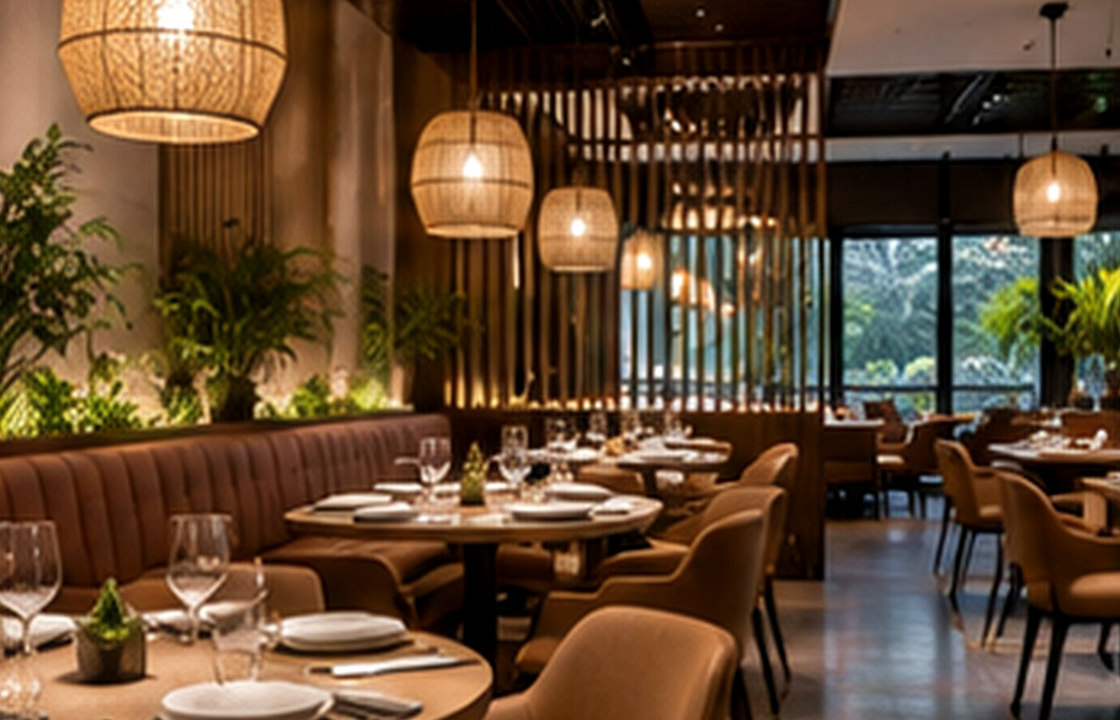
Café comfort depends on more than attractive chairs. A good Jakarta café offers varied seating for short visits, conversation and occasional longer stays while keeping circulation, acoustic comfort, cleaning and service operations manageable.
Map ordering and collection routes; Decide the mix of short and long stays; Test seat and table ergonomics.
Understand different stay lengths
Customers may buy takeaway coffee, meet a friend, work on a laptop or wait for a ride. Decide which behaviours the business wants to welcome and how long each type of seat is likely to be occupied. Provide clear paths to ordering and collection without weaving queues through seated customers. A few well-located quick-stop places can reduce congestion at busy hours.
Design a range of seating
Combine small tables, comfortable conversation seating and perhaps one community table where appropriate. Consider access to sockets only if long-stay working is part of the concept. Test seat height against table height, and check whether chairs can be moved without hitting neighbouring guests. Avoid building an entire café around a single photogenic bench that works for only one use.
Plan sound along with the finishes
Hard tiles, glass and exposed ceilings can amplify conversations and equipment sounds. Choose acoustic measures suitable for the room and the brand, and place noisy machines away from quiet seating when possible. A café should feel lively, not exhausting. Music level and speaker positions are operating decisions that deserve a place in the design conversation.
Protect daily reset and cleaning
Baristas and cleaners need simple routes for clearing cups, replacing water and reaching waste points. Pick finishes that tolerate spills and frequent wiping. A beautiful loose chair may become costly if its joints fail under everyday movement. Review outdoor or semi-outdoor seating separately for rain exposure, heat and security when the shop is closed.
Test a café at three different busy moments
Rehearse the first morning rush, a quiet laptop hour and a busy afternoon group visit. During each test, observe where people order, stand, collect drinks, sit and return cups. Check that takeaway customers have somewhere to wait without occupying the doorway. Ask staff how they reset tables and remove waste. The furniture plan may need only small changes—moving a pickup shelf, adding a short-stay ledge or changing the angle of a bench—to create a much calmer experience during peak periods.
A Jakarta design scenario
In a Kemang neighbourhood café, a window counter for brief visits, several two-person tables and a quieter corner can meet different needs without making the room feel divided into unrelated zones.
Balance the design priorities
Creating a memorable atmosphere requires balancing activity and calm. Space that looks full in a rendering may be uncomfortable once voices, cups, machines and queues arrive.
Common pitfalls to avoid: Placing takeaway queues through seating areas; Treating every customer as a long-stay guest; Using only hard reflective finishes.
Practical review checklist
- Map ordering and collection routes
- Decide the mix of short and long stays
- Test seat and table ergonomics
- Review reverberation and speaker locations
- Check cleaning and spill-resistant finishes
Turn this checklist into a coordinated review with the owner, operator, designers and relevant technical specialists. Confirm which items belong to the appointed scope before drawings, procurement or construction are authorised.
Frequently asked questions
What seating layout works for a small café?
A thoughtful mixture often works better than all identical tables. The right mix follows customer behaviour and the café operating model.
How can a café reduce noise?
Consider absorptive finishes, quieter equipment locations, speaker placement and a layout that avoids concentrating every conversation in one corner.
Are laptop-friendly seats a good idea?
They can be, if longer visits fit the business model. Plan reliable seating, appropriate lighting and power without compromising turnover and circulation.
Moving from idea to a clear brief
A useful next step is to collect photographs of the existing site, a measured plan where available, an outline of users and operations, target timing and the decisions that remain open. A design consultation can then focus on scope, priorities and technical interfaces before materials and furniture are ordered. Local permissions and specialist requirements should be checked with appropriately qualified advisers.
Explore SATU.JAKARTA’s expertise, browse the portfolio records, or begin a project conversation.