Articles

Interior Design Jakarta I How Hospitality Design Evolving in 2026

Interior Design Jakarta

Jakarta Interior Design | From Destinations to Living Environments: The Future of Hospitality Design

Hospitality is no longer defined by temporary stays alone. Interior Design Jakarta

In 2026, the hospitality industry is experiencing a profound transformation shaped by hybrid lifestyles, remote work culture, wellness-focused living, and the growing demand for emotionally meaningful experiences. Hotels, resorts, and mixed-use hospitality spaces are evolving beyond the traditional idea of “destinations.” They are becoming living environments—places where people work, socialize, recharge, connect, and feel a genuine sense of belonging.

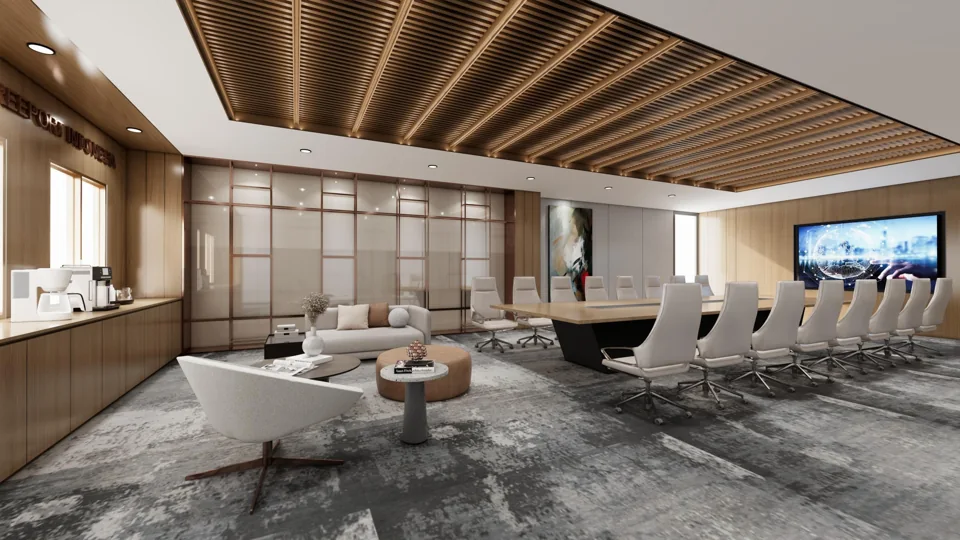
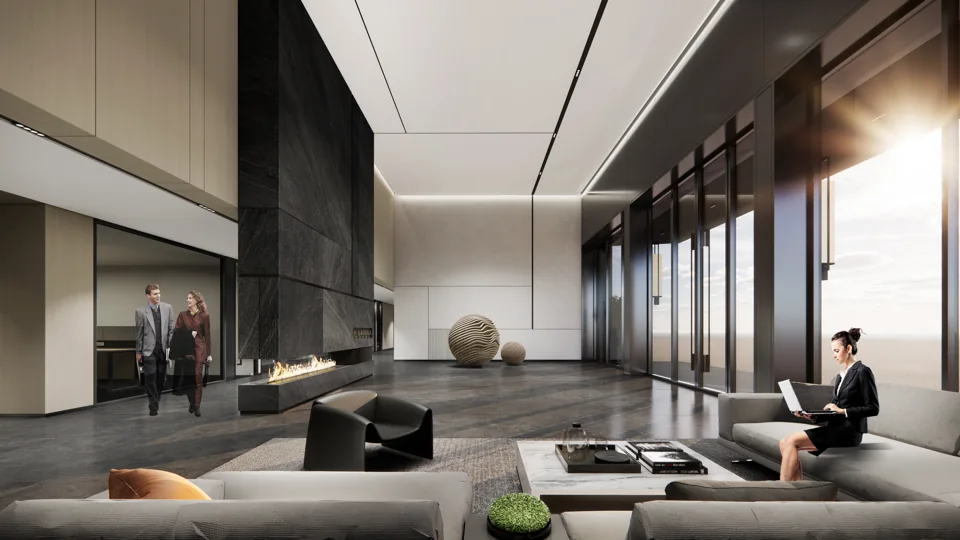
Today’s guests no longer separate travel from lifestyle. A hotel lobby may function as a workspace during the day, a social lounge in the evening, and a wellness retreat at night. Hospitality spaces are increasingly expected to feel fluid, personal, and deeply human.

This shift is especially visible in Jakarta, where lifestyle-driven hospitality is rapidly reshaping the city’s urban identity. From luxury developments in SCBD and Sudirman to mixed-use hospitality environments emerging across Senopati, Kemang, and Pantai Indah Kapuk, hospitality design is becoming more experiential and community-centered. Guests now seek environments that feel sophisticated yet emotionally grounding—spaces that reflect gaya hidup modern yang nyaman, modern living with warmth and connection.

At our firm, we see this evolution as an opportunity to redefine hospitality entirely. Through Jakarta interior Design, we create immersive environments where hospitality, lifestyle, wellness, and cultural relevance intersect seamlessly. We believe the future of hospitality lies not in spectacle alone, but in how spaces make people feel every day.


The Shift from Destination to Living Environment

Traditional hospitality models were built around short-term accommodation. Today, hospitality spaces are expected to support a much broader spectrum of human experience.

Modern hotels increasingly function as:

  • social gathering spaces
  • coworking and remote work environments
  • wellness-oriented retreats
  • cultural and lifestyle destinations
  • flexible mixed-use ecosystems

Guests are spending more time inside hospitality environments—not simply sleeping, but working, networking, dining, relaxing, and engaging socially throughout the day.

As a result, hospitality design must become more adaptive and emotionally intelligent. Spaces need to feel welcoming yet multifunctional, luxurious yet relaxed, efficient yet deeply personal.

This transition reflects a larger cultural shift: people are no longer searching only for destinations. They are searching for environments where they can genuinely live, even temporarily.


Hospitality Design in the Experience Economy

Luxury today is increasingly defined by experience rather than appearance.

Travelers and modern consumers place greater value on emotional connection, authenticity, personalization, and meaningful memory-making than traditional symbols of luxury alone. A beautiful space is important—but atmosphere, storytelling, and sensory engagement now define truly memorable hospitality experiences.

At our firm, hospitality design begins with emotion:

  • How does the arrival experience feel?
  • How does lighting shape mood throughout the day?
  • How do materials influence comfort and sensory perception?
  • How do social spaces encourage interaction naturally?

The most successful hospitality environments create moments guests emotionally remember:

  • the warmth of ambient lighting after sunset
  • the softness of tactile materials
  • the calm transition between public and private zones
  • the feeling of openness and quiet within dense urban settings

This is where Jakarta interior Design evolves beyond aesthetics into experience-driven storytelling.


The Blurring of Hospitality, Residential & Workplace Design

The boundaries between hospitality, residential, and workplace environments are disappearing.

Hotels increasingly borrow the warmth and intimacy of residential living, while workplaces adopt hospitality-inspired comfort and flexibility. Mixed-use developments now integrate hospitality, retail, coworking, wellness, and residential experiences into a single ecosystem.

This evolution is reshaping how environments are designed:

  • hotel lounges become flexible coworking hubs
  • branded residences incorporate hotel-style amenities
  • hospitality spaces integrate wellness and lifestyle programming
  • restaurants and cafés become social work environments
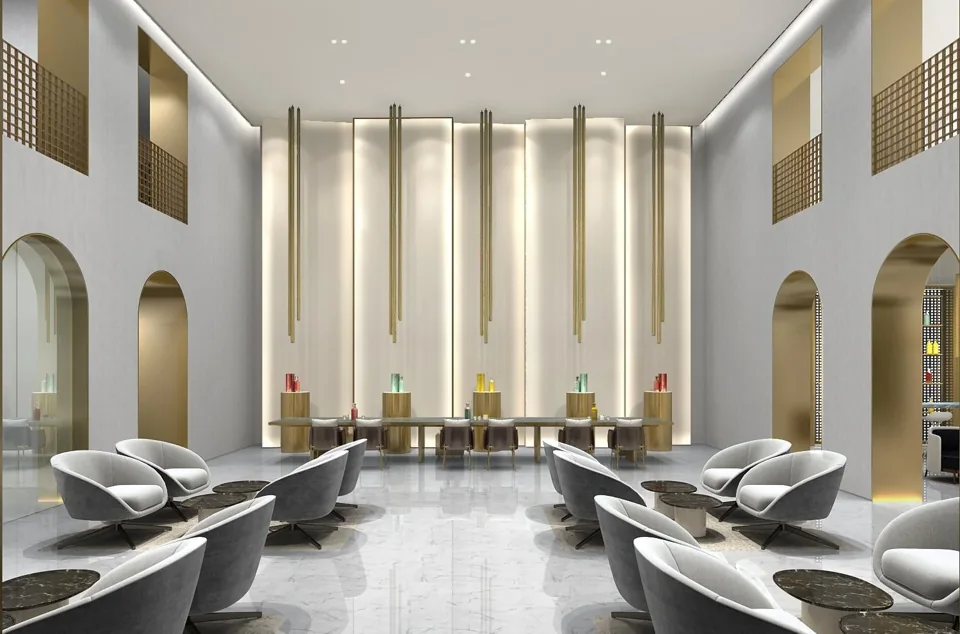
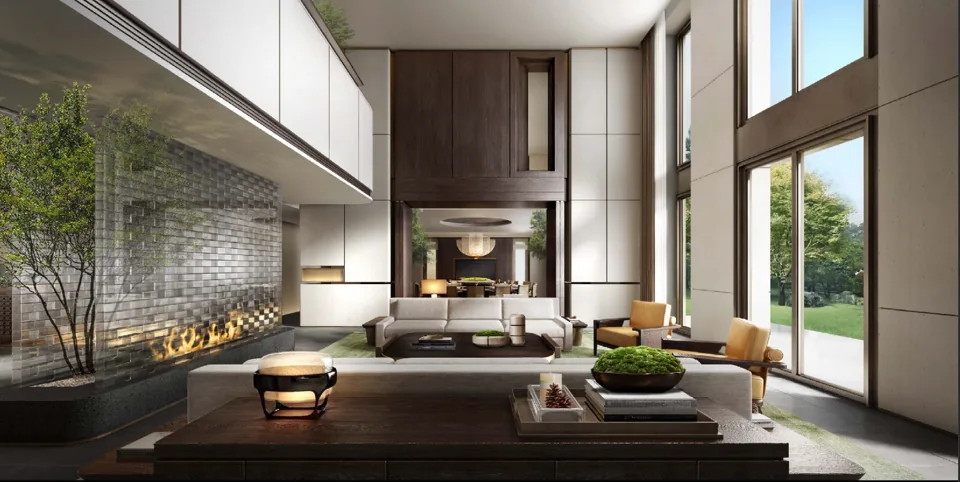
  • public areas feel increasingly residential and emotionally inviting

In Jakarta’s fast-moving business culture, particularly around Mega Kuningan and Sudirman, this shift is becoming highly visible. Professionals increasingly seek hospitality spaces that support both productivity and relaxation—spaces where meetings, dining, networking, and downtime coexist naturally.

The future of hospitality is hybrid.


Designing for Wellness & Human Connection

Wellbeing is no longer a secondary amenity in hospitality design. It is central to the guest experience.

Today’s hospitality environments must support emotional restoration, mental clarity, social interaction, and physical comfort simultaneously. Guests increasingly prioritize environments that feel calming, breathable, and deeply connected to nature.

At our firm, wellness-focused hospitality design incorporates:

  • biophilic principles and integrated greenery
  • natural light and layered illumination
  • tactile, calming material palettes
  • acoustic comfort and sensory softness
  • wellness amenities and restorative retreat spaces
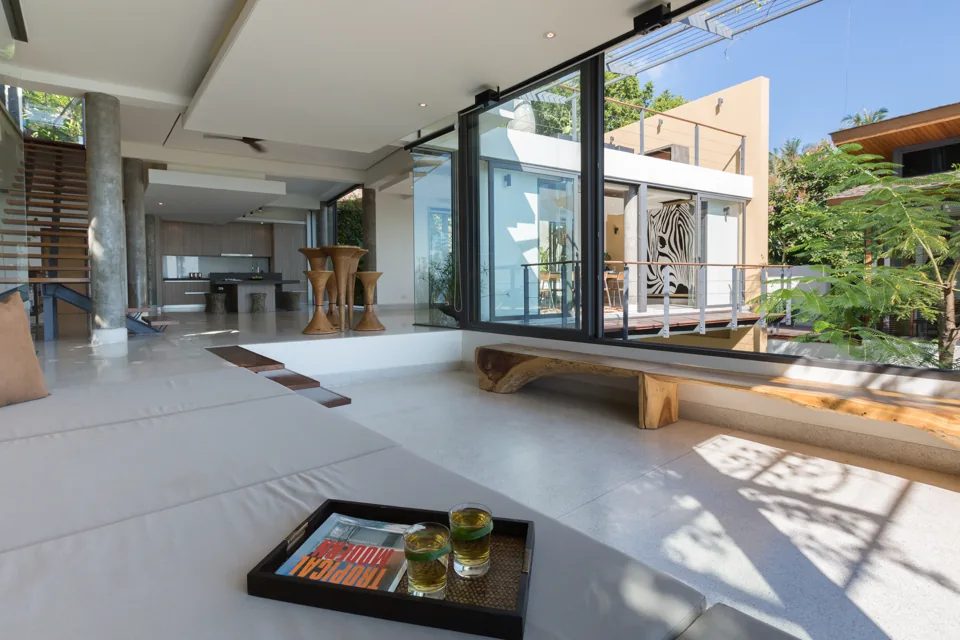
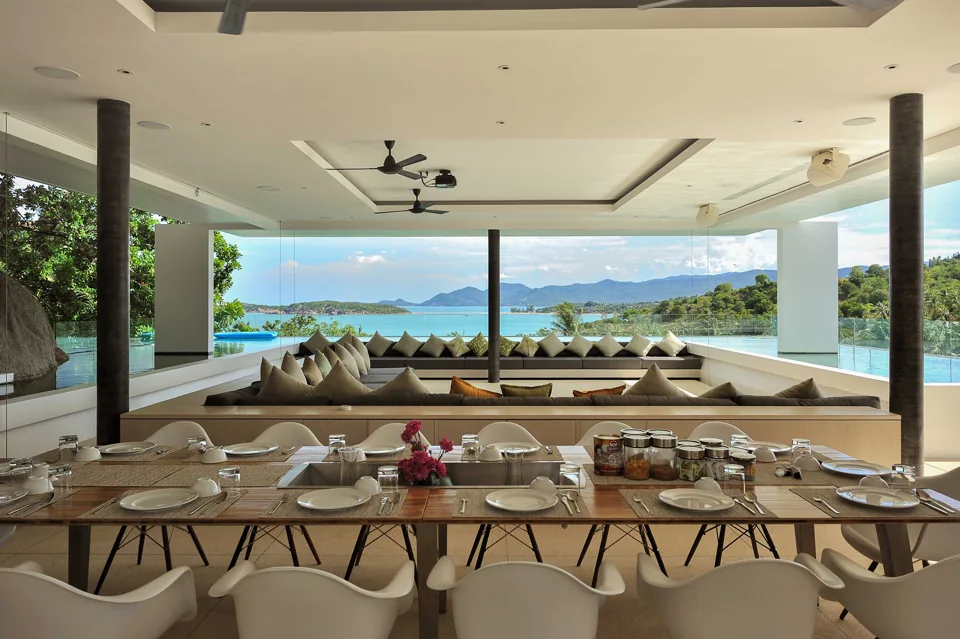
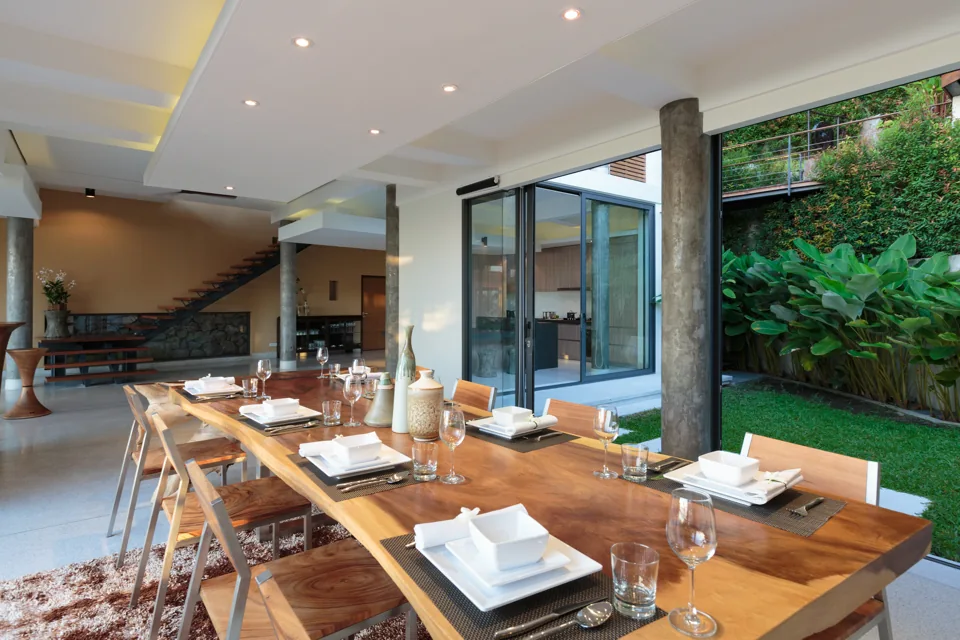
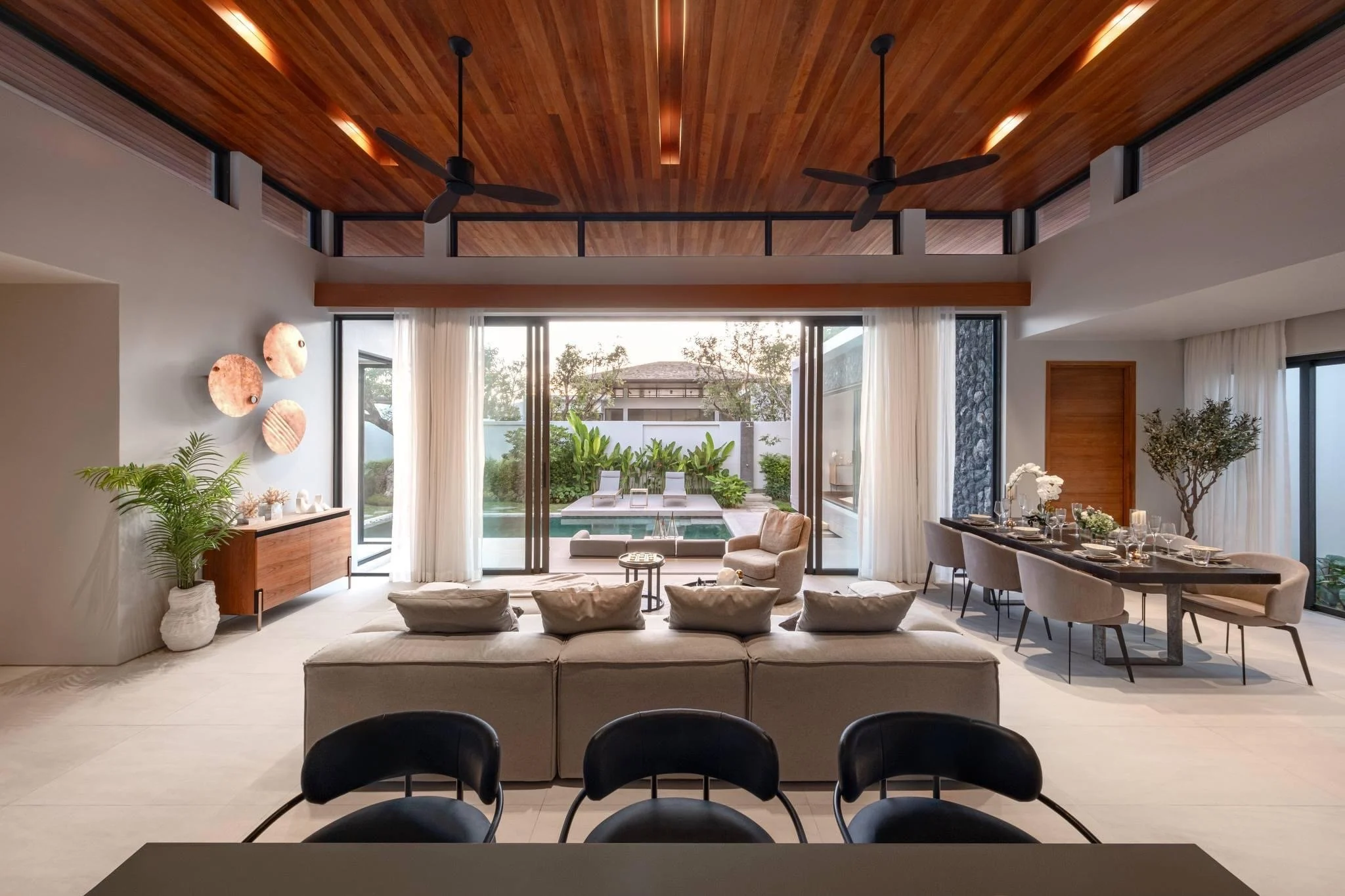
  • indoor-outdoor transitions that encourage openness and movement

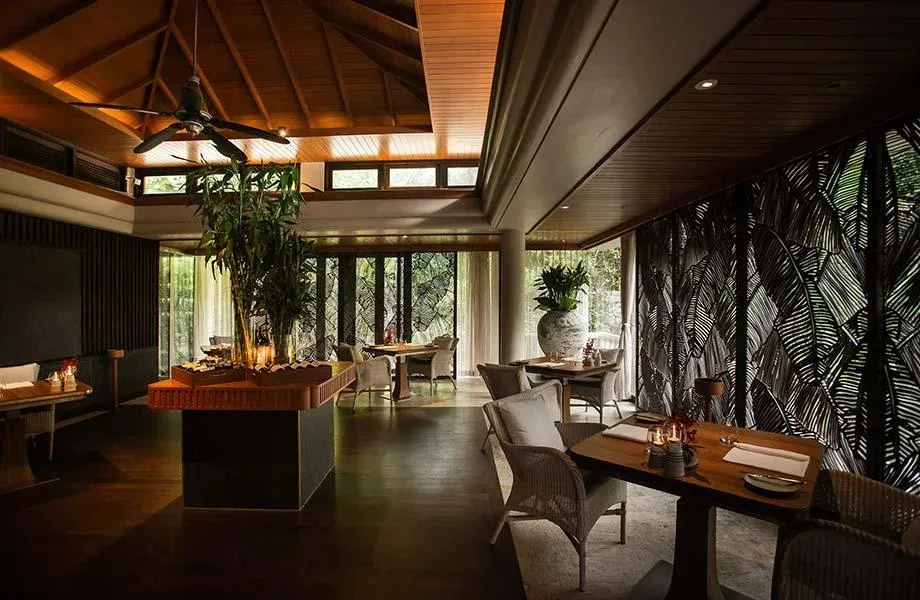
In tropical cities like Jakarta, nature-integrated hospitality becomes particularly important. Greenery, shaded transitions, natural ventilation, and resort-inspired atmospheres help soften urban density while creating emotionally restorative experiences—tenang dan menyegarkan.

Hospitality today is not simply about service. It is about how environments support human wellbeing.


Technology & the Future Guest Experience

Technology is reshaping hospitality, but human connection remains essential.

The future guest experience will increasingly integrate:

  • smart room systems and adaptive controls
  • AI-driven personalization
  • seamless digital check-in and concierge systems
  • data-informed operational strategies
  • integrated smart hospitality environments

However, the most successful hospitality spaces balance technological efficiency with emotional warmth. Technology should feel invisible and intuitive—not cold or intrusive.

Our design approach ensures that smart systems enhance comfort, convenience, and personalization while maintaining a deeply human-centered atmosphere.

The goal is not simply efficiency. It is creating hospitality experiences that feel effortless.


Designing Hospitality Spaces in Jakarta

Hospitality design in Jakarta requires a nuanced understanding of climate, urban behavior, business culture, and evolving lifestyle expectations.

The city’s hospitality landscape is becoming increasingly experience-led and socially activated. Hotels today must serve international business travelers, local lifestyle audiences, wellness-conscious guests, and younger social communities simultaneously.

Our hospitality strategies respond to Jakarta’s context through:

  • indoor-outdoor transitions inspired by tropical resort living
  • layered greenery that softens urban environments
  • natural materials suited to humidity and long-term durability
  • multifunctional planning that supports hybrid guest behaviors
  • social activation spaces that encourage gathering and interaction

In emerging hospitality districts such as Senayan, SCBD, and PIK, design trends are shifting toward warmer, more immersive environments that combine luxury with emotional comfort. This evolution continues shaping the future of Jakarta interior Design.


Our Hospitality Design Approach

At our firm, hospitality design begins with understanding people before space.

Our process combines strategic thinking, emotional storytelling, operational understanding, and sensory design to create immersive hospitality experiences that remain timeless and adaptable.

Concept Strategy

We define the emotional identity, positioning, and experiential narrative of each hospitality project.

Guest Journey Mapping

We analyze how guests move, interact, pause, socialize, and experience the environment throughout the day.

Spatial Planning

We create layered environments that balance operational efficiency with emotional comfort.

Material & Lighting Curation

We develop tactile palettes and atmospheric lighting systems that shape mood and sensory experience.

Operational Understanding

We coordinate hospitality functionality seamlessly with guest-centered design goals.

Execution & Styling

From detailing to final atmosphere, every element is curated to create cohesive, memorable environments.


Our Perspective

We believe the future of hospitality is not about creating places people visit. It is about creating places people emotionally connect with.

At our firm, hospitality environments are designed as living ecosystems where lifestyle, wellbeing, functionality, culture, and emotional experience converge naturally. We create timeless spaces that feel immersive, flexible, and deeply human.

This is our perspective on Jakarta interior Design—future-focused hospitality environments shaped by atmosphere, experience, and the evolving rhythm of modern life.


Create Hospitality Environments Designed for the Future

The hospitality industry is entering a new era where experience, flexibility, wellbeing, and emotional connection define long-term success.

For hotel owners, developers, operators, and hospitality brands in Jakarta, this is an opportunity to rethink hospitality environments beyond traditional models.

Our firm creates immersive, future-ready hospitality spaces tailored to Jakarta’s evolving urban culture and hospitality landscape—environments where people don’t simply stay, but genuinely feel connected.

Sustainable innovation hub with people at its core.

Connect with us in

Linkedin, Facebook, Instagram, Youtube,and more

Share
go top