Interior Design in Jakarta That Makes a Real Difference
Interior design in Jakarta is reaching a turning point. As the city continues to densify, professionalise, and attract both domestic and international investment, expectations for the built environment are rising sharply. Spaces are no longer judged only by how they look, but by how they perform, how they adapt, and how well they support human and commercial outcomes over time.
This article explores what it truly means to deliver interior design that makes a real difference in Jakarta—design that sets a new standard through purpose, performance, and contextual intelligence, rather than surface-level aesthetics.
As a Jakarta interior design company, our firm operates at the intersection of strategy, execution, and lived experience. What follows is not a marketing narrative, but a grounded analysis of how interior design must evolve to remain relevant and valuable in this city.
Why Interior Design in Jakarta Requires More Than Just Aesthetics
Jakarta is a city of scale and complexity. High-rise office towers dominate corridors such as Sudirman, Thamrin, and SCBD, while mixed-use developments integrate offices, retail, hospitality, and residences into single urban ecosystems. At the same time, landed houses, villas, and gated communities continue to shape suburban and peripheral districts.
The climate is tropical—hot, humid, and intense. The lifestyle is dynamic, social, and multi-layered. Work culture is ambitious and fast-paced, often extending long hours. Families are frequently multi-generational. Businesses expect rapid execution but increasingly demand accountability and long-term value.
In this context, generic interior design approaches fail quickly. Imported styles that ignore climate, cultural behaviour, or construction reality lead to:
-
Poor durability and high maintenance costs
-
Inefficient layouts that frustrate daily use
-
Spaces that look impressive initially but age badly
-
Missed opportunities for productivity, comfort, and revenue
Interior design in Jakarta must therefore be context-driven, not trend-driven.
Designing with Purpose and Performance
Purpose-driven interior design starts with a simple question: What should this space enable people to do better?
In Jakarta, performance is measured differently depending on context:
-
In offices: productivity, collaboration, talent retention, and operational efficiency
-
In homes: comfort, privacy, adaptability, and emotional wellbeing
-
In retail and hospitality: dwell time, customer experience, brand recall, and revenue per square metre
Design decisions must balance beauty with function, and inspiration with measurable outcomes.
Spatial Efficiency
With rising land and rental costs, every square metre matters. Intelligent space planning improves circulation, reduces wasted areas, and aligns layout with real usage patterns.
Workflow Optimisation
Whether in a workplace, restaurant, or home, design must support natural movement—how people enter, interact, work, rest, and transition between activities.
Emotional Impact
Spaces influence mood and behaviour. Light, proportion, material texture, and acoustics shape how people feel throughout the day—penting sekali in a city with constant sensory stimulation.
Durability and Adaptability
Interior design that performs well over time anticipates change. Flexible layouts, modular systems, and robust materials protect long-term value and reduce future disruption.
This is where a Jakarta interior design company must think beyond visuals and engage deeply with performance logic.
Raising the Benchmark for Interior Design in Jakarta
One of the challenges in Jakarta’s design market is inconsistency. While talent exists, the industry often suffers from:
-
Weak detailing and documentation
-
Poor coordination between design and construction
-
Limited quality control during execution
-
Short-term thinking driven by budget pressure
Raising standards requires process maturity, not just creativity.
Structured Design Methodology
Clear phases—from research and concept to technical detailing—ensure that design intent survives execution.
Technical Detailing
Drawings, specifications, and material selections must respond to local construction practices, climate stress, and maintenance realities.
Project Governance
Defined responsibilities, review checkpoints, and approval systems reduce risk and prevent scope drift.
Quality Control
On-site inspections, mock-ups, and defect management are essential to deliver what was designed.
Setting a new standard means treating interior design as a discipline, not a styling exercise.
Designing for Jakarta’s Climate, Culture, and Construction Reality
True design intelligence is local.
Climate Responsiveness
High humidity and heat demand materials that resist warping, mould, and premature aging. Ventilation strategies, shading, and lighting control are not optional—they are fundamental.
Cultural Lifestyle Patterns
Jakarta homes often host extended family and frequent guests. Offices value hierarchy but increasingly embrace collaboration. Retail and hospitality spaces must support social interaction while managing density.
Regulatory and Approval Reality
Authority approvals, fire safety compliance, and building management protocols shape what is feasible and how long projects take.
Supply Chain and Contractor Coordination
Material availability, lead times, and workmanship quality vary. Design must anticipate these realities rather than assume ideal conditions.
A credible Jakarta interior design company designs with full awareness of how projects are actually built here.
Creating Meaningful Impact Across Residential and Commercial Spaces
Purpose-driven design delivers tangible impact across sectors.
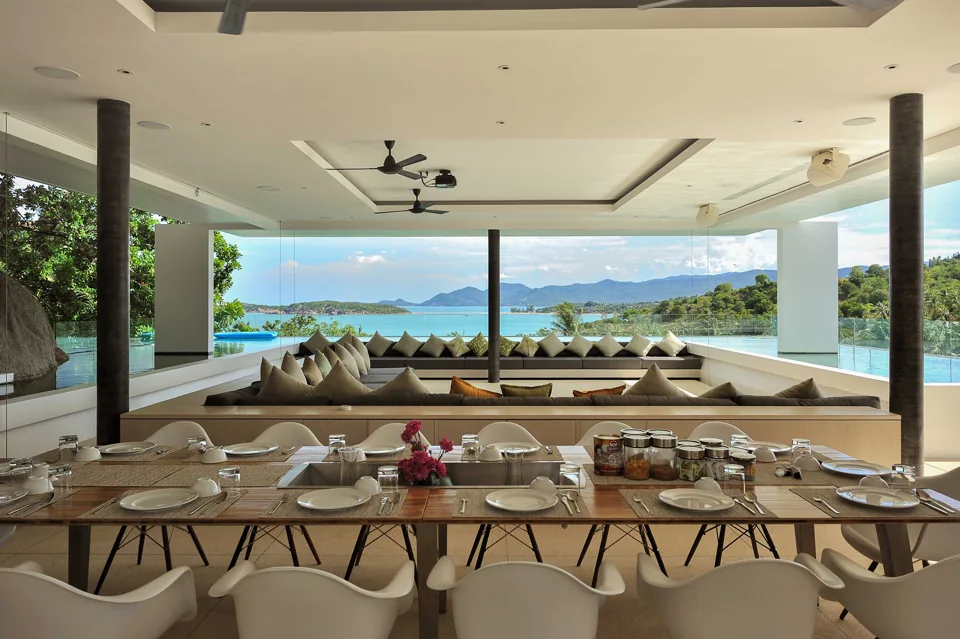
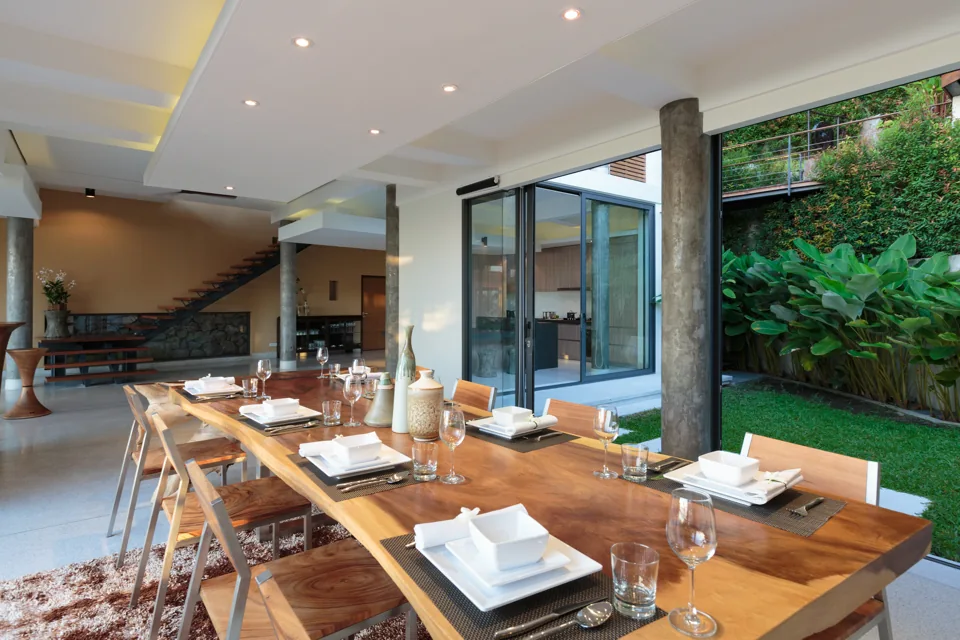
Residential Interiors
Apartments, houses, villas, and bungalows benefit from layouts that support daily rituals, privacy, and adaptability. Good residential design reduces stress, improves comfort, and enhances long-term liveability.
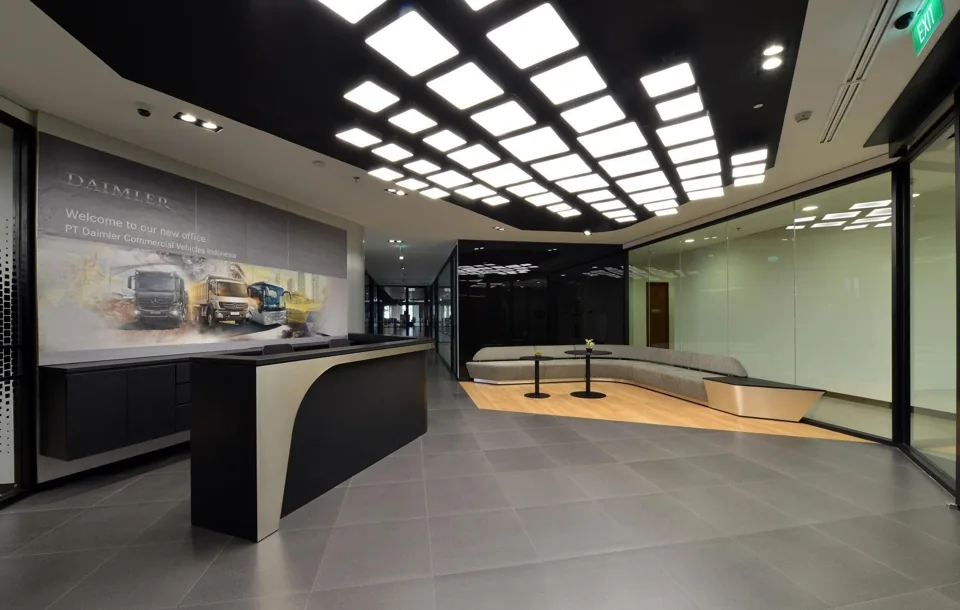
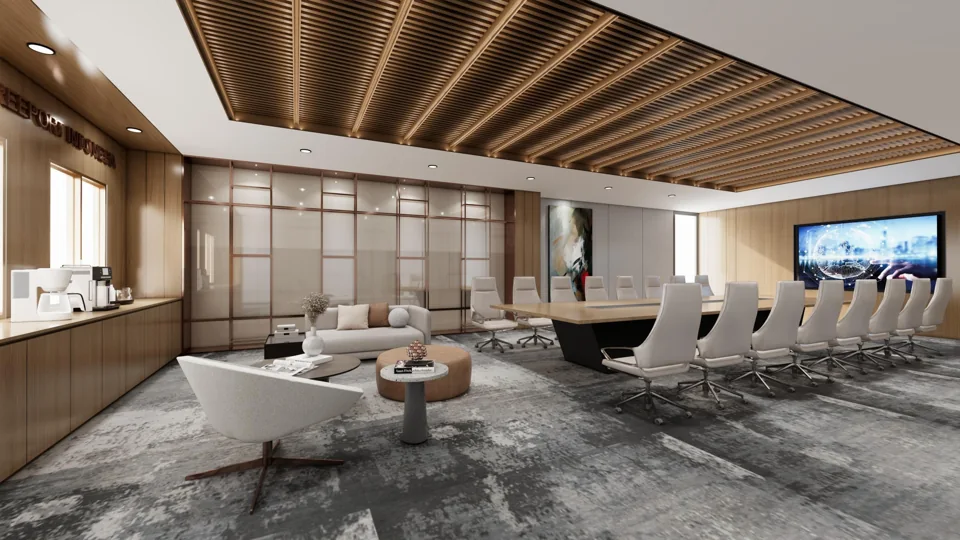
Office Interiors
Workplaces designed around people—not just desks—improve productivity, wellbeing, and employer branding. Spatial variety, acoustic comfort, and daylight access are key drivers.
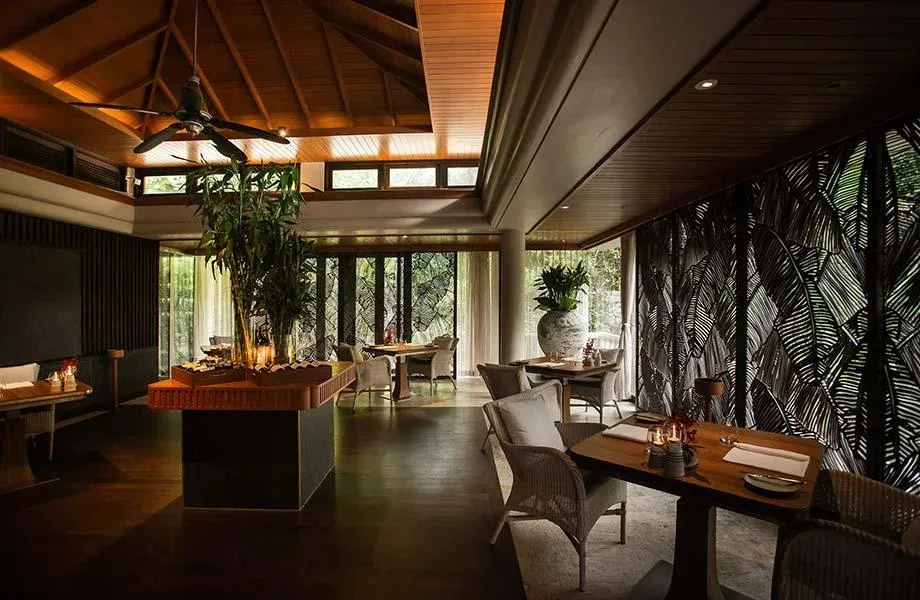
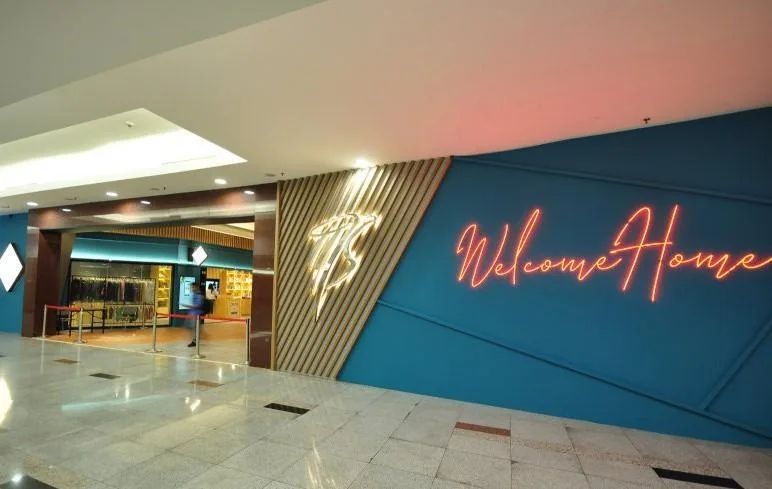
Retail and Hospitality
Interior design shapes brand perception and commercial performance. Atmosphere, flow, and sensory engagement influence how long customers stay and how they remember the experience.
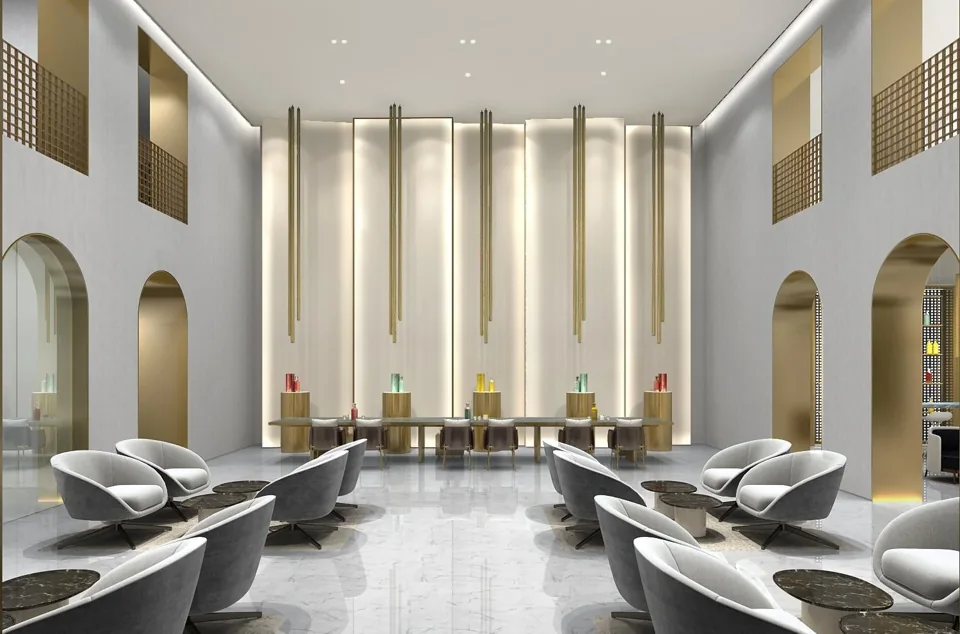
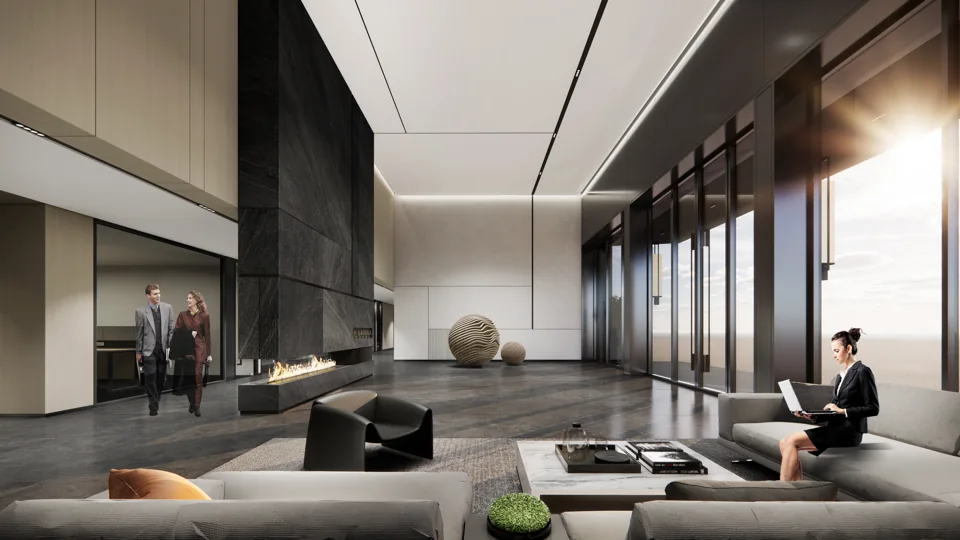
Mixed-Use Environments
Design coherence across different functions strengthens identity and improves user experience in complex developments.
Across all typologies, strategic interior design transforms space into an active contributor to performance.
From Concept to Completion
Execution is where design proves its value.
A robust design and delivery workflow typically includes:
-
Consultation and Brief Alignment – understanding goals, constraints, and success metrics
-
Concept and Spatial Strategy – translating purpose into layout and experience
-
Visualisation and Detailing – ensuring clarity before construction
-
Cost Planning – aligning ambition with budget reality
-
Authority Submissions – managing compliance and approvals
-
Site Supervision – protecting design intent during construction
-
Quality Inspections – controlling finishes and workmanship
-
Installation and Commissioning – preparing the space for use
-
Handover – delivering a space that performs from day one
Design that makes a real difference is designed to be built properly.
A Trusted Interior Design Partner in Jakarta
Clients choose our firm not because of slogans, but because of capability.
A credible Jakarta interior design company demonstrates authority through:
-
Experience across residential, commercial, and mixed-use projects
-
Understanding of Jakarta’s property and business landscape
-
Technical teams who speak both design and construction
-
Exposure to global standards adapted locally
-
Measurable outcomes in performance, durability, and usability
Trust is built through consistency, not claims.
Redefine Your Space in Jakarta
Interior design in Jakarta is evolving. The next generation of spaces—homes, offices, retail, and hospitality—will be judged by how well they support life, work, and business in a demanding urban environment.
Design that makes a real difference is purposeful, performance-driven, and deeply contextual. It respects the city, the climate, the culture, and the people who use the space every day.
If you are seeking a Jakarta interior design company that approaches design with intelligence, discipline, and care, the conversation should begin with strategy—not style.
Let’s redefine what interior design can do in Jakarta.
Connect with us in