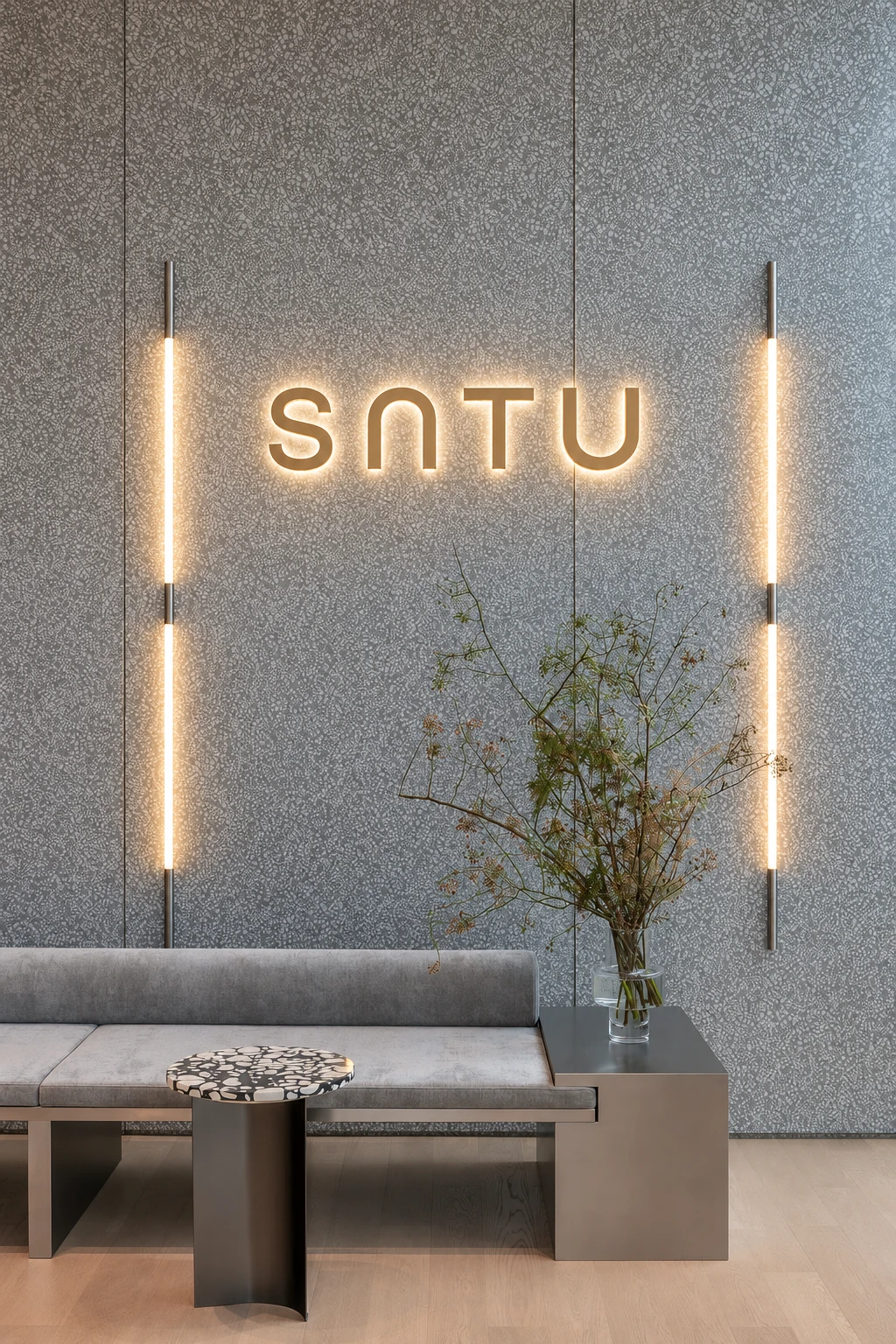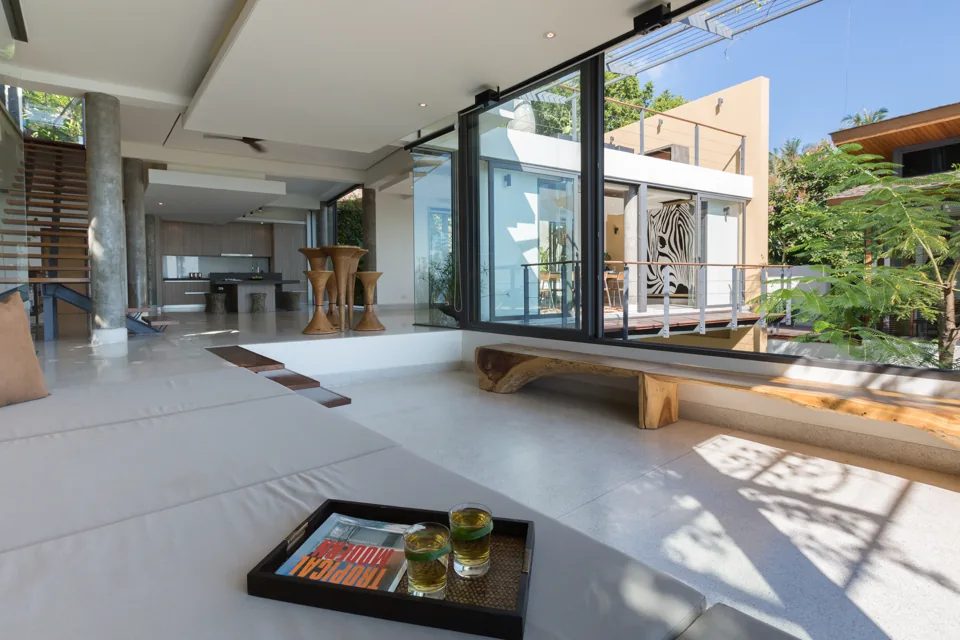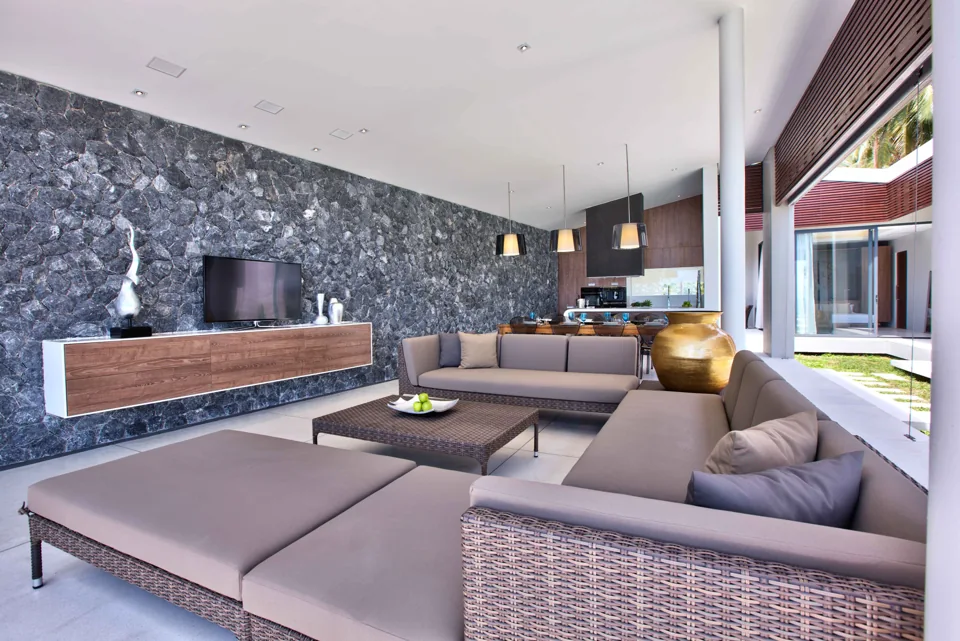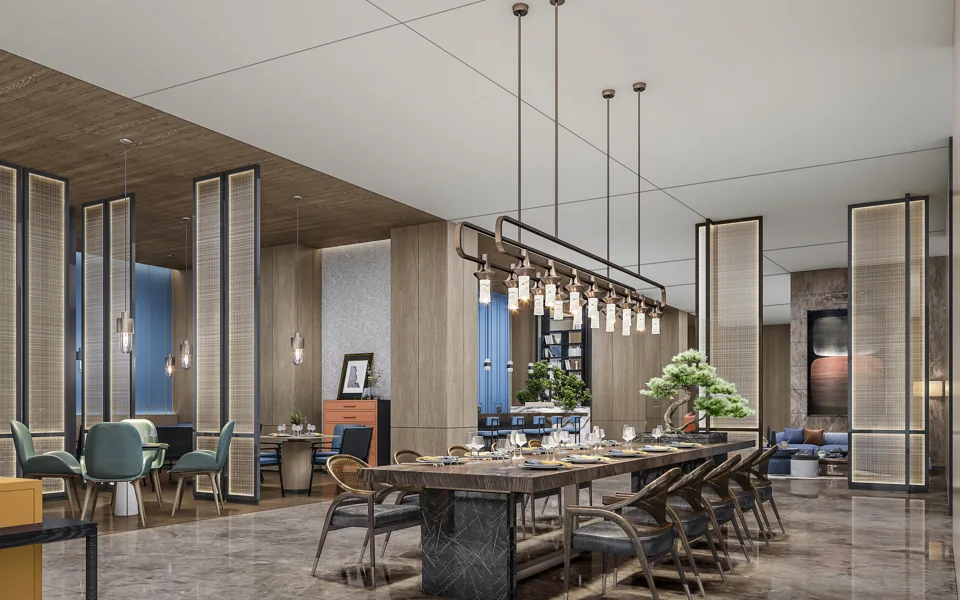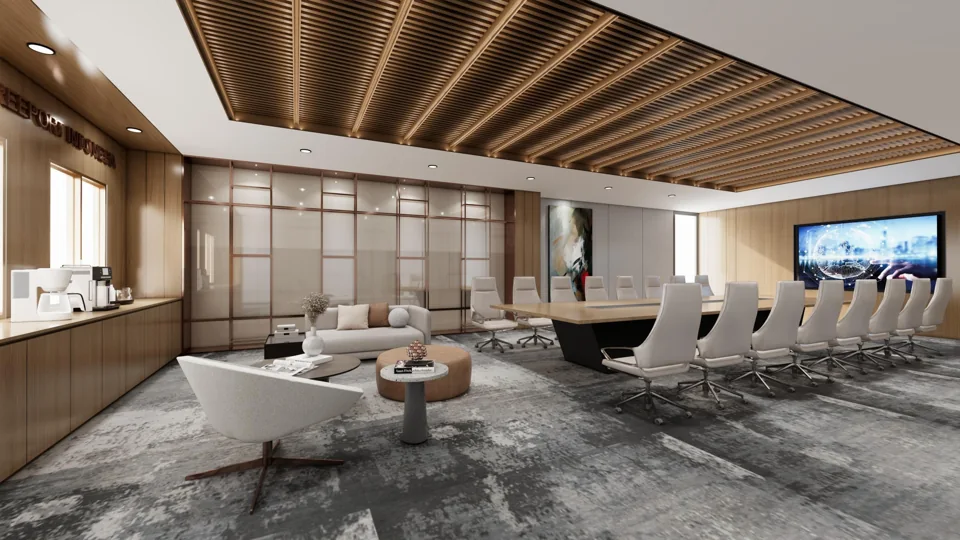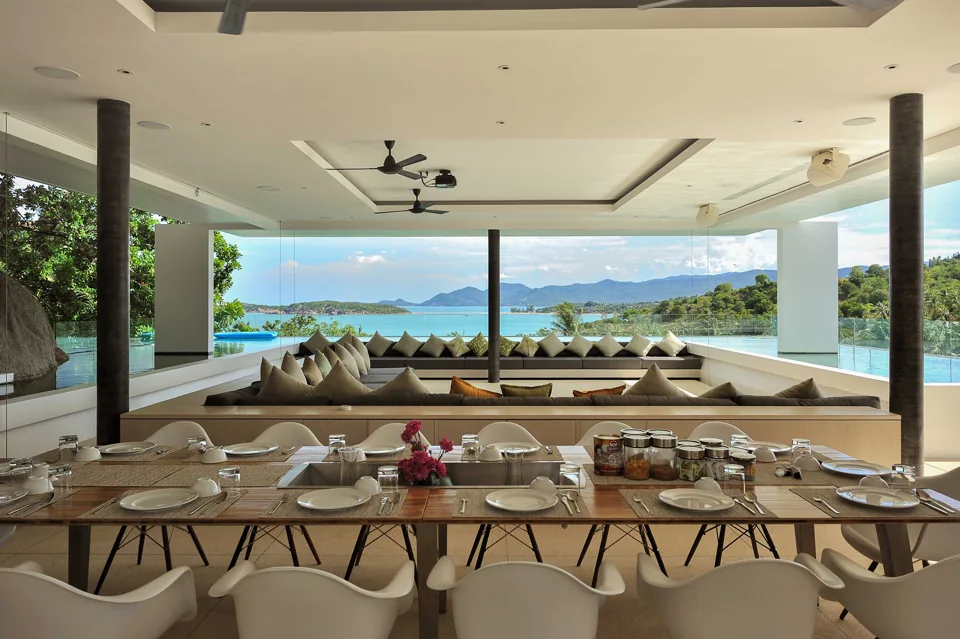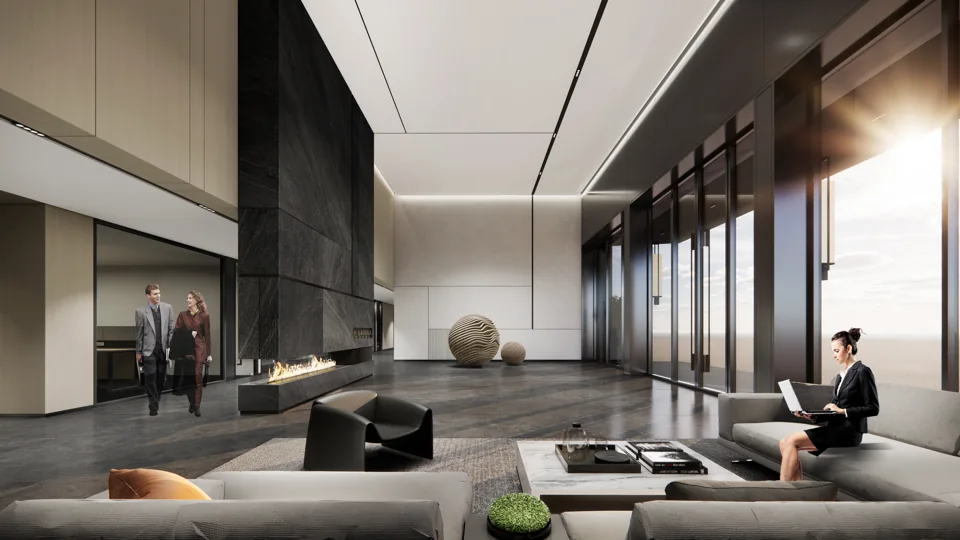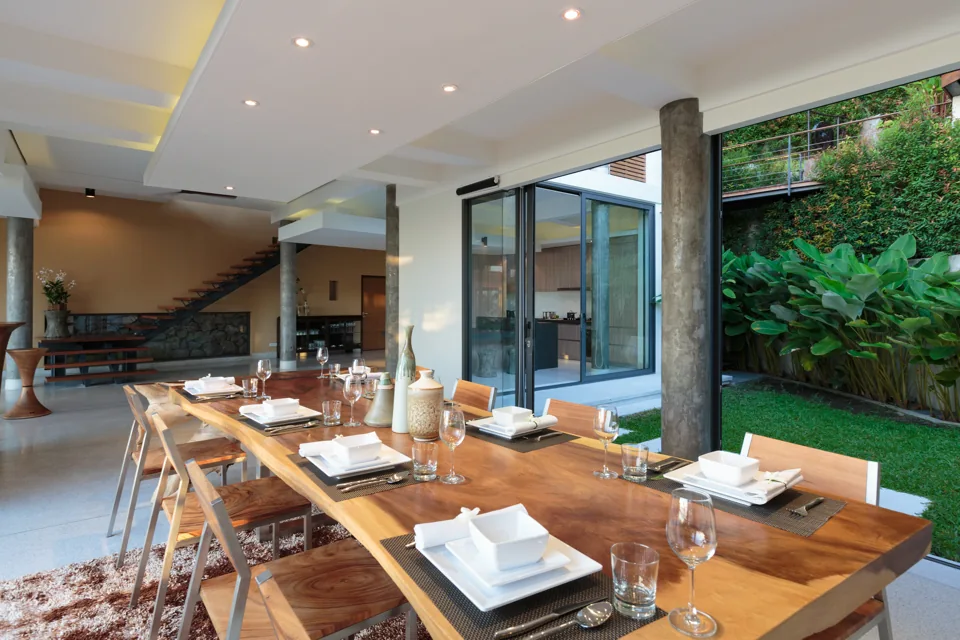
Jakarta Retail Interior Design Company: Designing Physical Retail That Wins in the Digital Age
In the age of AI, instant delivery, and always-on e-commerce, many investors and brand owners ask the same question: does physical retail still matter? Jakarta Retail Interior Design Company
In Jakarta, the answer is a clear yes—but only when retail spaces are designed as experiences, not just points of sale.
As a professional Jakarta Retail Interior Design Company, our firm helps brands transform physical stores into high-performance environments that digital platforms cannot replace. Smart retail today is not about choosing online or offline—it is about designing spaces where technology, emotion, and culture come together to drive loyalty, dwell time, and sales.
Retail Transformation in the AI Era
Retail is no longer defined by shelves and counters. AI, data analytics, and mobile commerce have reshaped how consumers discover, compare, and purchase products. Jakarta’s consumers—especially millennials and Gen Z—are highly mobile-first, price-aware, and experience-driven.
Yet despite this digital fluency, physical shopping remains deeply embedded in Jakarta’s lifestyle. Mall culture, weekend family outings, café-integrated retail, and social shopping experiences remain powerful. This creates an opportunity: physical retail must offer what screens cannot—emotion, immersion, and human connection.
The Challenge of E-Commerce and Internet Retail
Online platforms win on:
-
Convenience and speed
-
Price comparison and transparency
-
Personalised recommendations
Physical stores cannot compete on these metrics alone. Instead, they must compete on:
-
Sensory engagement
-
Brand storytelling
-
Social and emotional experience
-
Trust, authenticity, and immediacy
This is where interior design becomes a business strategy, not just aesthetics.
Why Physical Retail Still Matters in Jakarta
Jakarta’s urban development is defined by:
-
High-density mixed-use developments
-
Destination malls in areas like Sudirman, SCBD, Kuningan, and Pantai Indah Kapuk
-
A tropical climate that encourages indoor social spaces
-
A culture of jalan-jalan (leisure strolling) and communal experiences
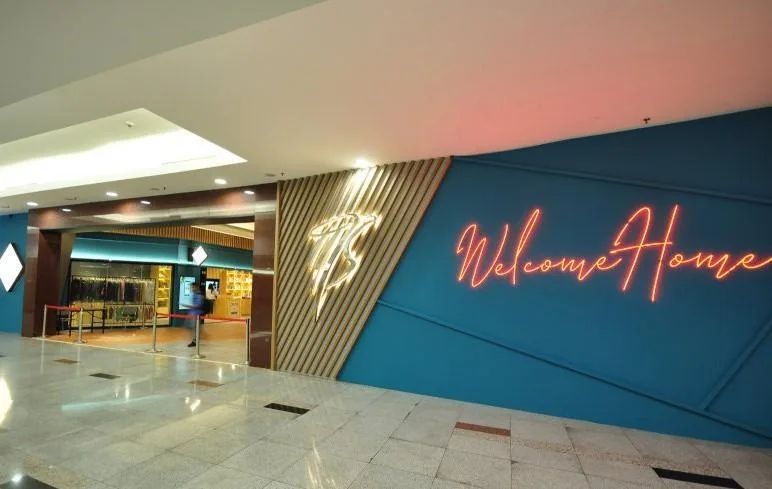
Physical stores act as brand theatres—places where customers experience the brand with all five senses. A well-designed store increases dwell time, improves conversion, and strengthens brand recall long after the visit.
How Interior Design Creates Competitive Advantage
A strategic Jakarta Retail Interior Design Company designs stores around customer behaviour, not just layouts.
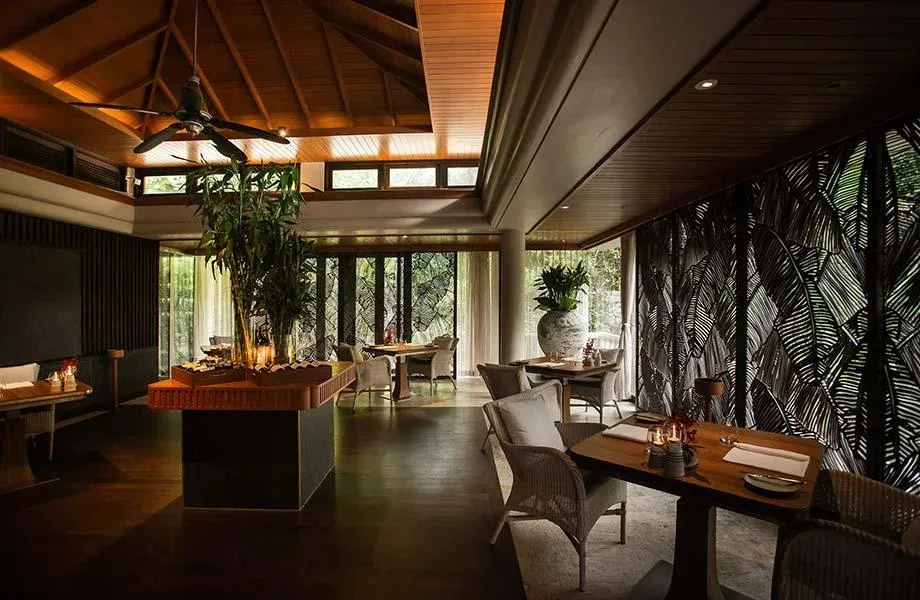
1. Experiential Retail Environments
Retail spaces are designed as destinations:
-
Interactive product zones
-
Café or lounge-integrated retail
-
Event-ready and community-driven layouts
These environments encourage exploration and emotional attachment—sesuatu yang tidak bisa digantikan oleh online shopping (something online shopping cannot replace).
2. Omnichannel Integration: Online Meets Offline
Modern stores act as physical extensions of digital platforms:
-
Click-and-collect zones
-
In-store digital browsing
-
Seamless online-offline brand language
Design ensures the customer journey feels continuous across channels.
3. AI-Driven Customer Journey Design
Using behaviour analytics, stores can be planned to:
-
Optimise product placement
-
Guide natural movement patterns
-
Reduce friction points
Smart layouts are informed by data, not guesswork.
4. Technology-Enabled Retail Spaces
We integrate technology such as:
-
Smart mirrors and virtual try-ons
-
Digital displays and dynamic content walls
-
Data tracking and footfall analytics
-
Automated lighting and climate response
Technology enhances the experience—but never overwhelms it.
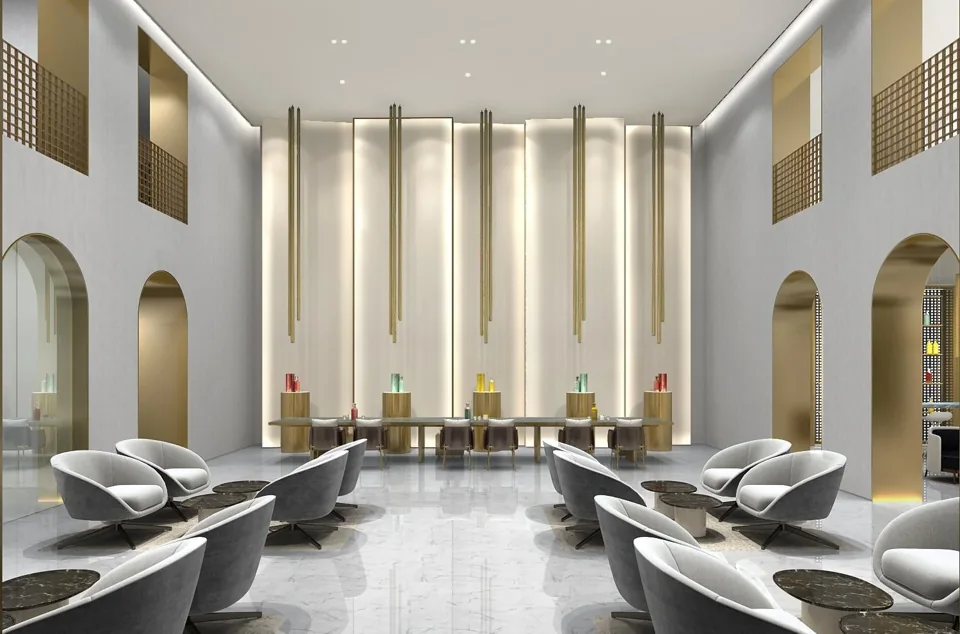
5. Sensory Design and Emotional Engagement
Physical retail wins through emotion:
-
Lighting that highlights products and mood
-
Acoustic control for comfort
-
Material textures that invite touch
-
Scent and spatial rhythm that create memory
Design turns shopping into rasa—a feeling.
6. Flexible Retail Environments
Fast-changing markets require adaptable stores:
-
Modular fixtures
-
Reconfigurable layouts
-
Spaces designed for rapid refresh
This allows brands to respond quickly to trends without full renovation.
7. Localisation of Global Retail Concepts
International brands succeed in Jakarta only when global concepts are adapted to:
-
Local consumer habits
-
Tropical climate and maintenance realities
-
Cultural preferences for openness and hospitality
Our firm ensures global standards feel locally relevant, not imported.
Local Market Insights: Retail in Jakarta
Jakarta’s retail environment is shaped by:
-
Strong mall ecosystems over street retail
-
High foot traffic but intense competition
-
Consumers who value comfort, air-conditioning, and social space
-
Rapid adoption of digital payment and mobile interaction
Retail design must balance durability, operational efficiency, and visual impact—semuanya harus seimbang (everything must be balanced).
Future Trends Shaping Retail Environments
Looking ahead, Jakarta retail will be driven by:
-
Experience-first store strategies
-
Data-informed space planning
-
Deeper integration of F&B and retail
-
Sustainability and energy-efficient design
-
Brand spaces designed for social sharing and content creation
Physical stores will increasingly function as experience hubs, not inventory warehouses.
Designing Future-Ready Retail in Jakarta
For brands competing with digital commerce, interior design is no longer optional—it is strategic infrastructure. A professional Jakarta Retail Interior Design Company helps translate business goals into spatial experiences that:
-
Attract customers
-
Increase dwell time
-
Strengthen brand loyalty
-
Deliver measurable ROI
At our firm, we design retail environments where technology supports emotion, space tells a story, and physical retail becomes a powerful competitive advantage in the digital age.
The future of retail in Jakarta is not online or offline—it is intelligently designed, human-centred, and experience-driven.
Connect with us in
Linkedin, Facebook, Instagram, Youtube,and more